
Muriel Hasbun




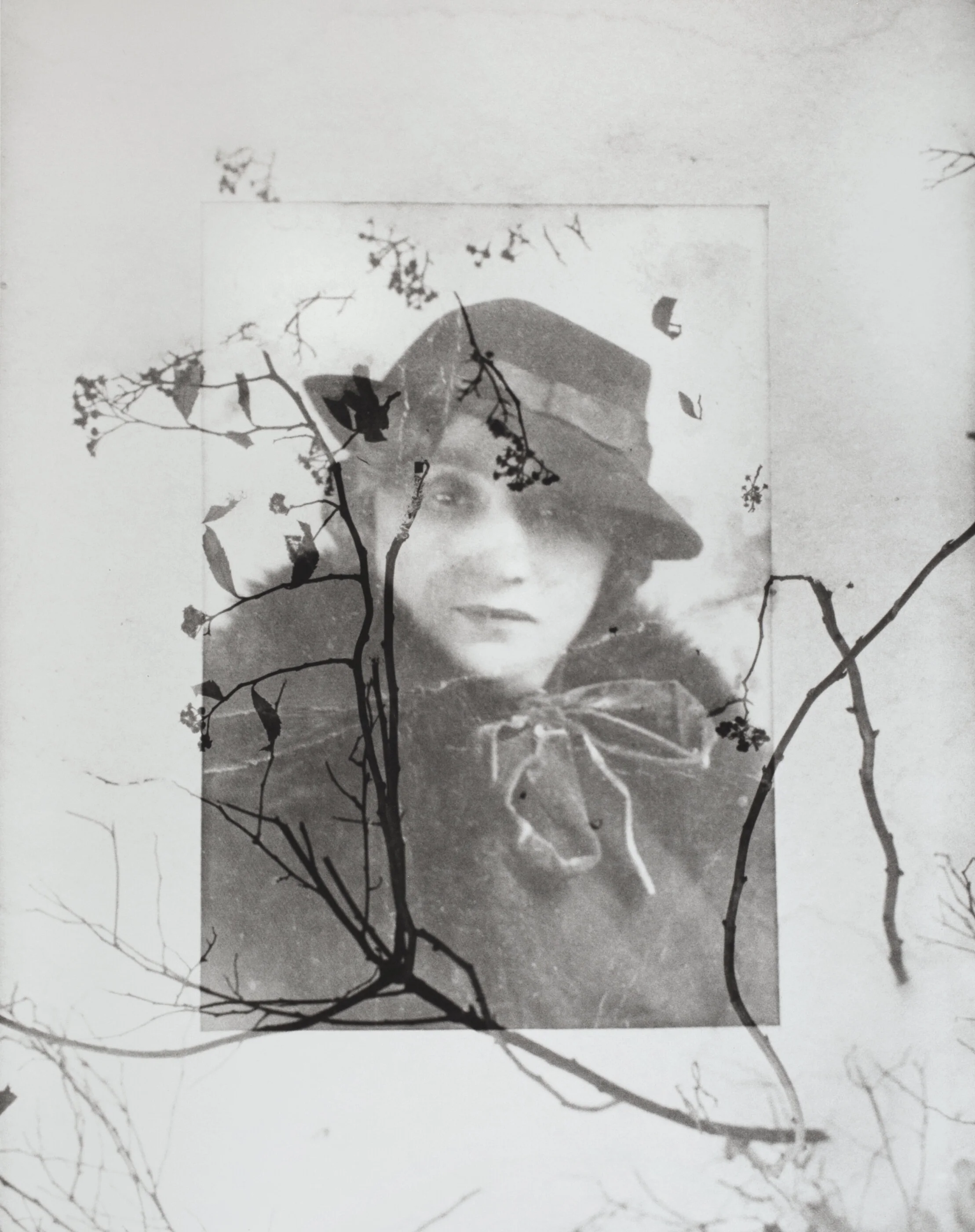
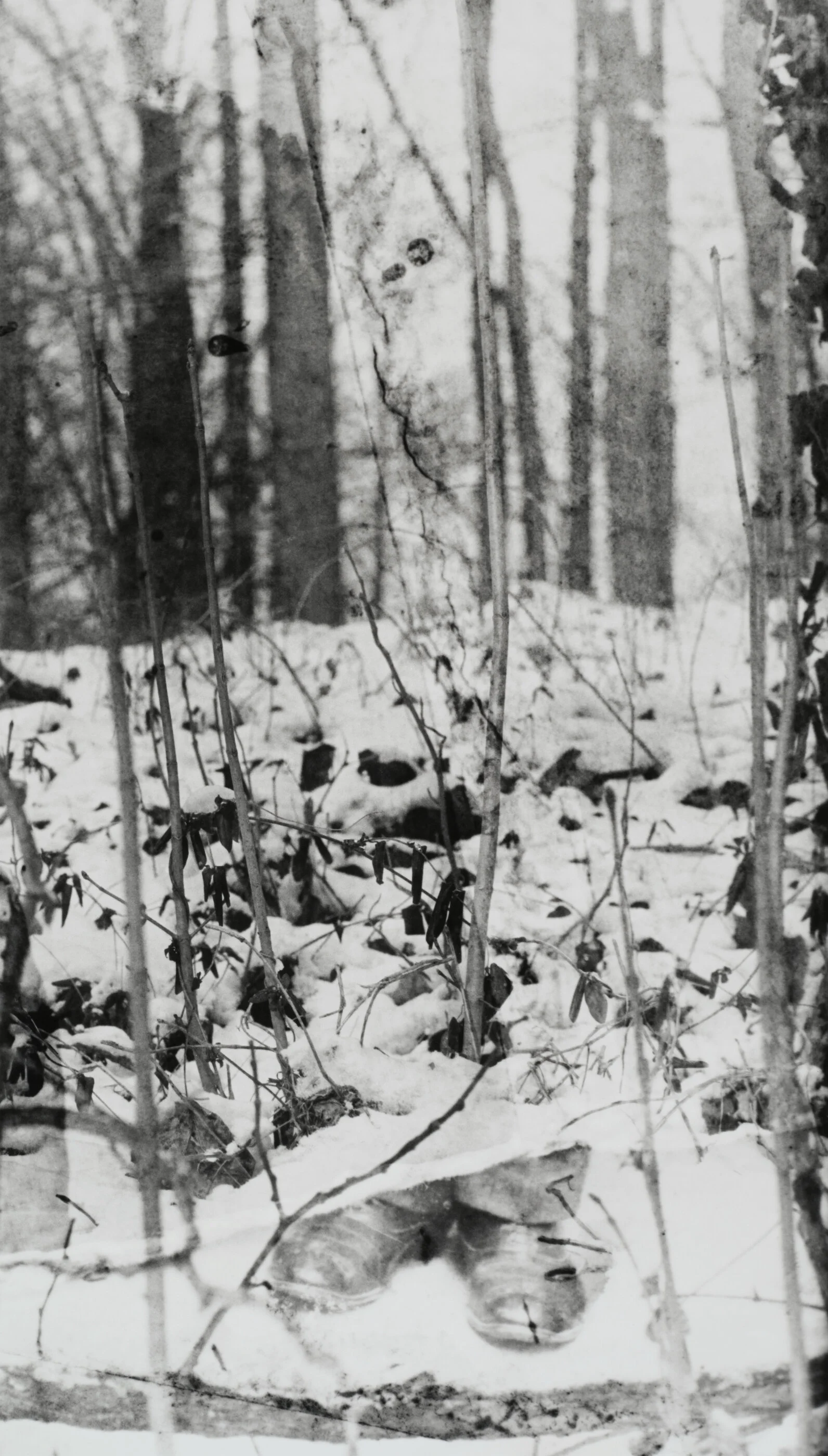
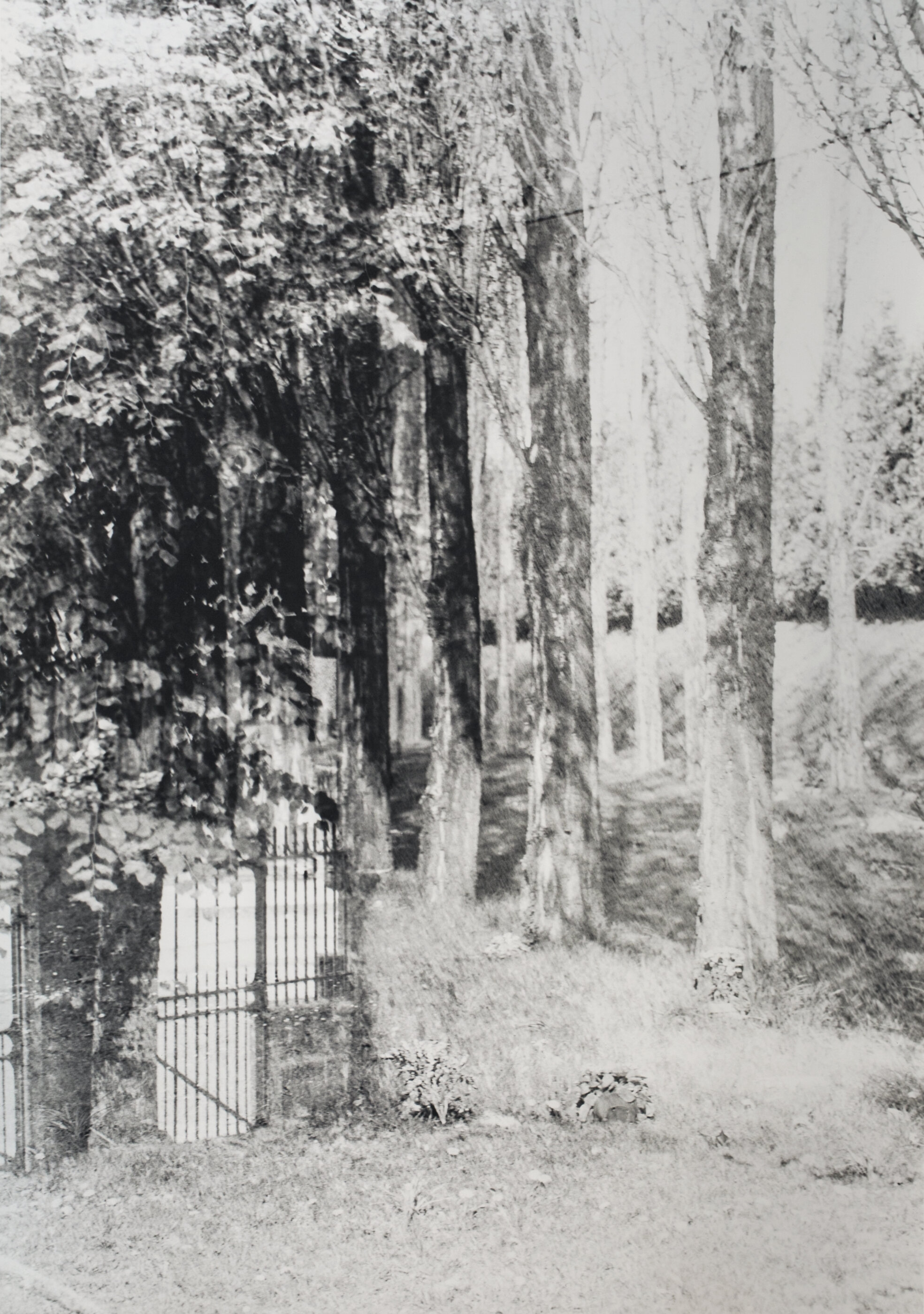
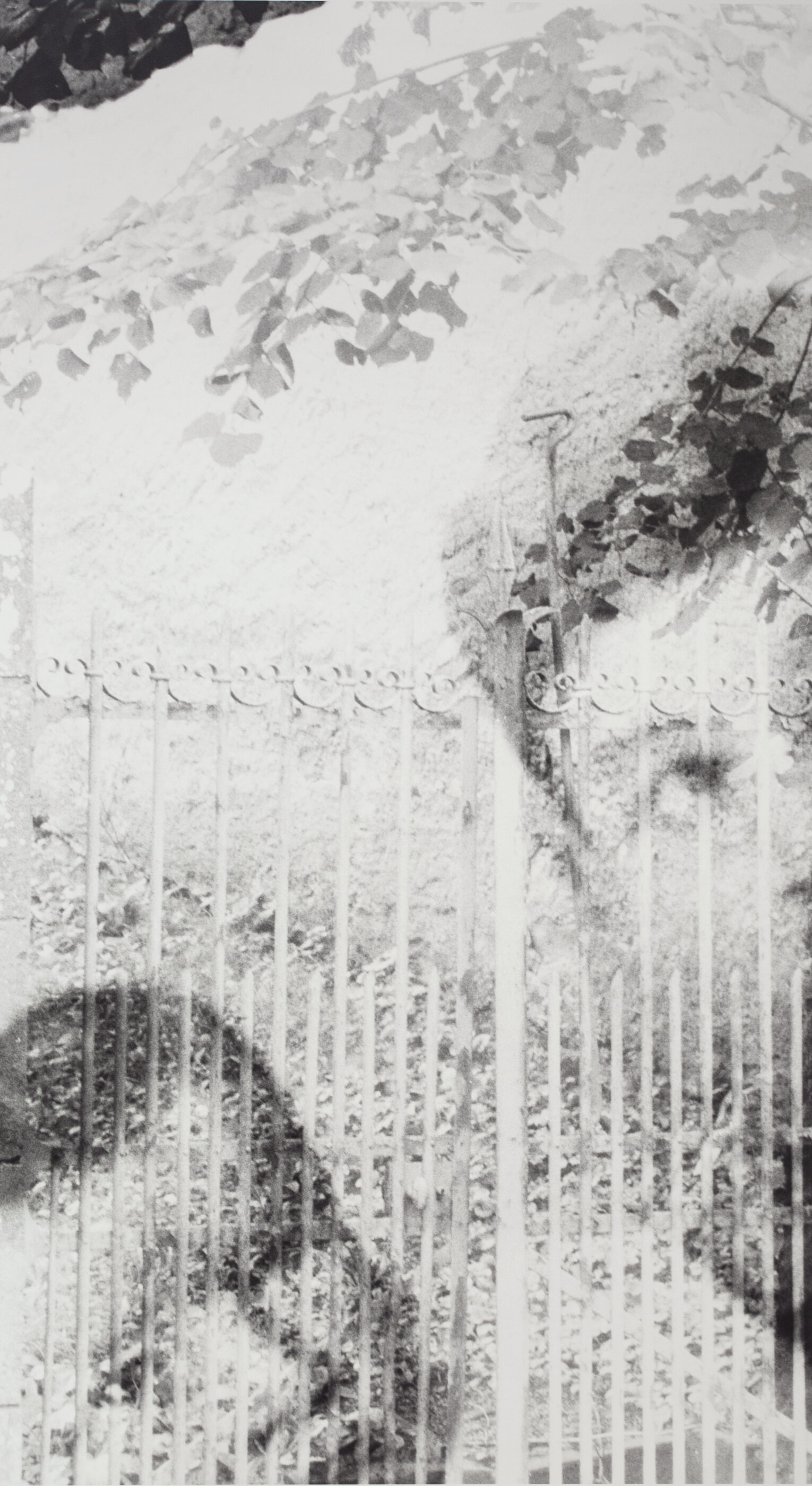



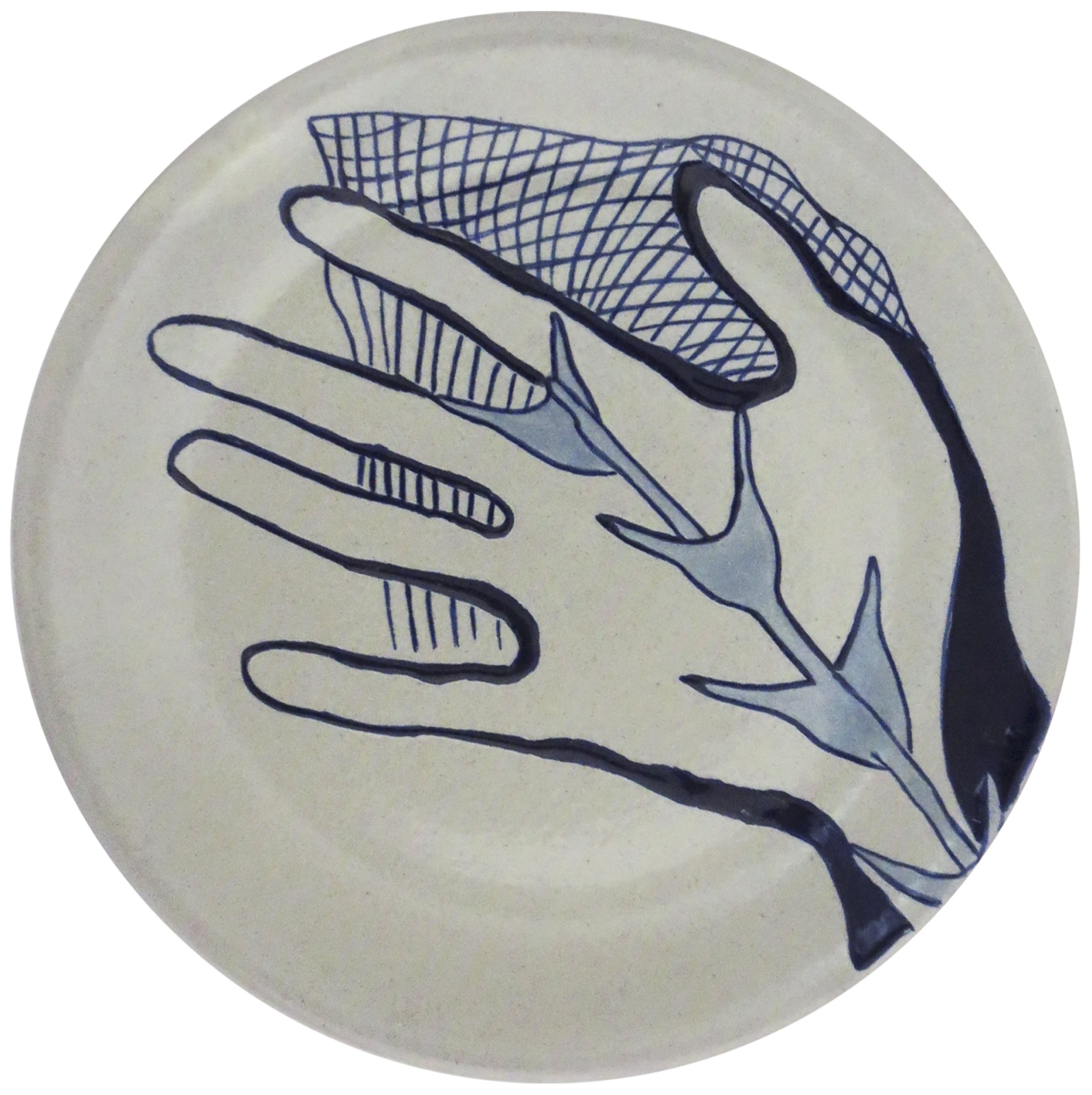
Muriel Hasbun’s expertise as an artist and as an educator focuses on issues of cultural identity, migration and memory. Through an intergenerational, transnational and transcultural lens, Hasbun constructs contemporary narratives and establishes a space for dialogue where individual and collective memory spark new questions about identity and place.
With her work, she constructs her “terruño” or diasporic homeland, creating poetic images oscillating between past and present, absence and presence, and here and there. She recovers personal memories and collective histories, often lost or hidden, activating the space across borders, generations, and cultural divides, and enacts culturally responsive and equitable sites of dialogue, healing, learning and community, with a special focus on generating knowledge about Central American art and culture, both in the isthmus and in the diaspora.
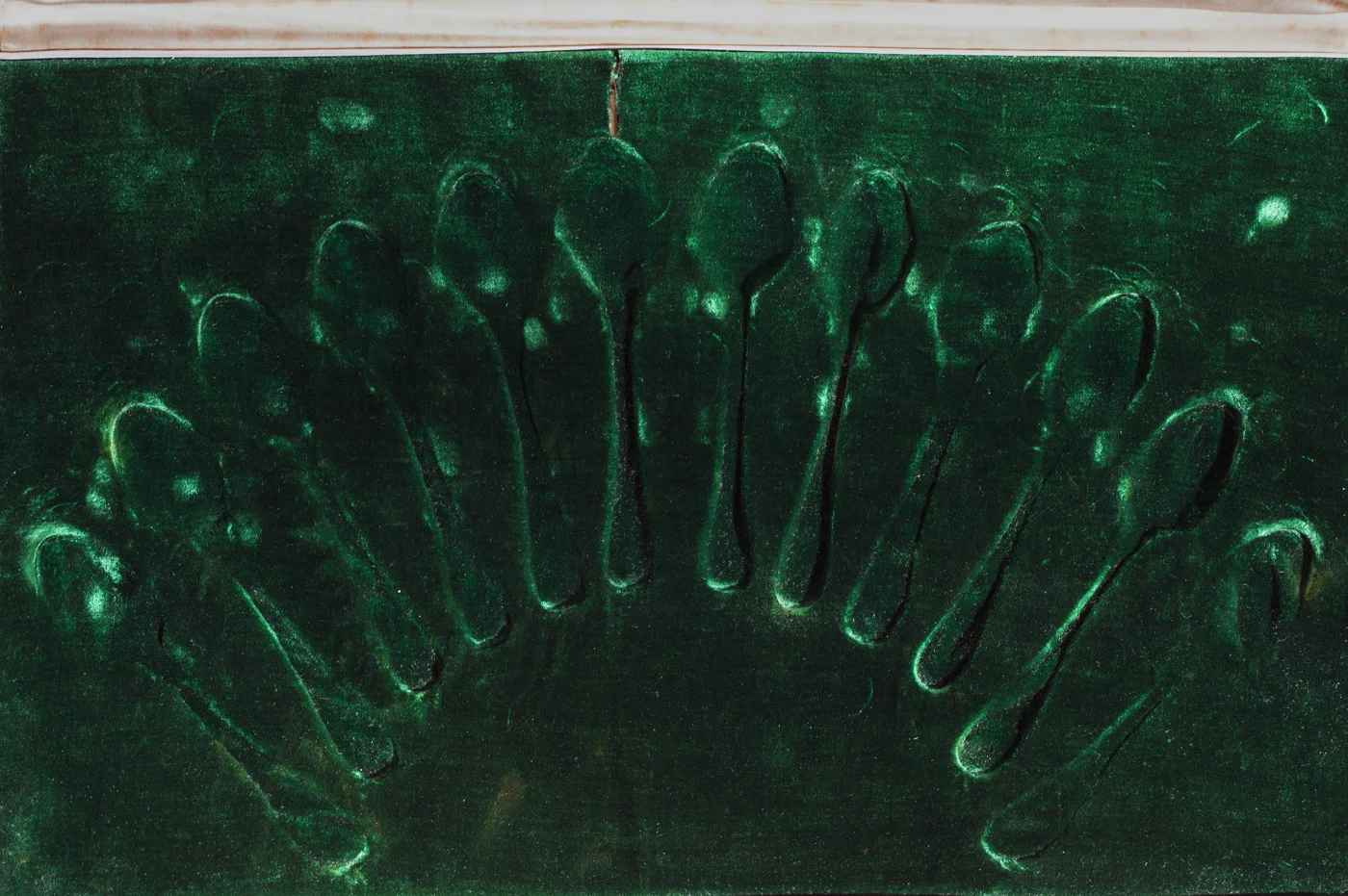
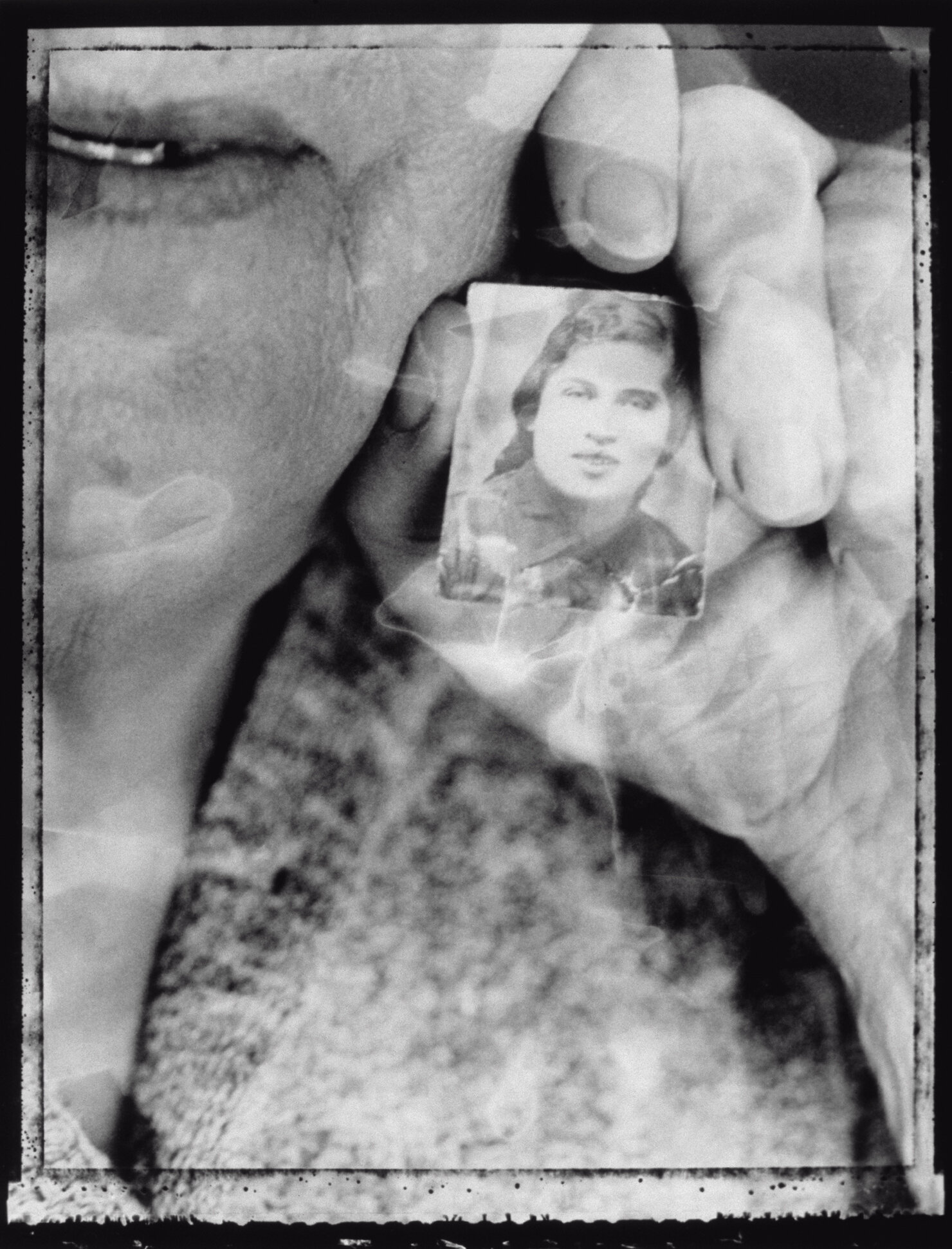
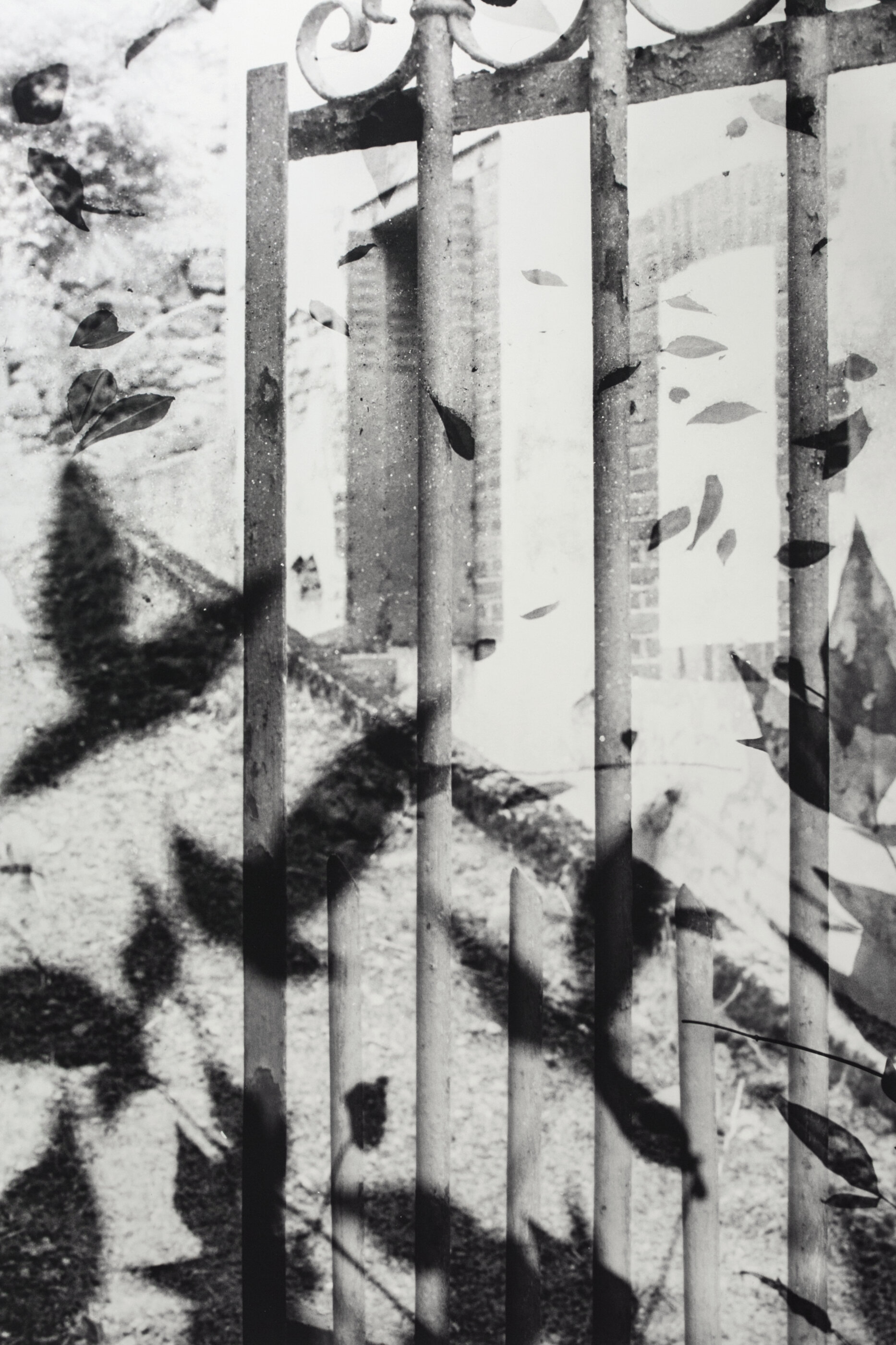
The Imprint of Memory – Hand. “When I was 13 years old, a family friend and poet read my palm a couple of times. An intense curiosity would always envelop me upon absorbing Claudia’s mysterious words, of wanting to know my future and understand myself better…
Years went by, and I became an artist. The different ethnicities and cultures that run through my veins, and the construction of an identity through photography would become the central theme of my existential search.
After 30 years of working, I can say that I achieved a certain measure of internal peace by accepting the complexity of my multivalent identities (Jewish, Palestinian, Christian, Latina, Salvadoran, French, etc.)—that the world considered “Other” and that at some point I also called “irreconcilable.” I developed my skills and channeled my efforts to forge connections with and between all those identities, hoping to find the gift of understanding and belonging.
With these photographs, I revisit a 2004 self-portrait (“The Imprint of Memory—Hand”) that I made after having finished three bodies of work in which I explored the history of my family. I play digitally with the negatives and photograms made intuitively in the darkroom and create new images with filters named “Exclusion” and “Difference.” The irony does not escape me, and I smile. Voilà, again, my offering.”
Exhibition: A celebration of Citizenship
The exhibition celebrates Muriel Hasbun’s continuing life of citizenship and dedication to delving into the themes of identity and memory, transcending her personal experience to connect with the collective history of humanity, the experience of many of us, regardless of nationality or region of the world.
Descended from Salvadoran and Palestinian Christians on her paternal side and Polish and French Jews on her maternal side, Hasbun grew up in El Salvador, which she had to leave at the beginning of the Salvadoran Civil War in 1979.
A Celebration of Ctizenship presents a small selection of work by Hasbun, an artist who immerses us in the condition and feeling of belonging in the world.
Hasbun's photographic work is not a symphony paralyzed by the click of the camera, her work is a becoming, a process that comes together solidly and courageously in each of her stories.
Her focus on identity and territory highlights the importance of belonging to a larger community and an understanding of how our individual identities are intertwined with the history and culture of the society in which we live.
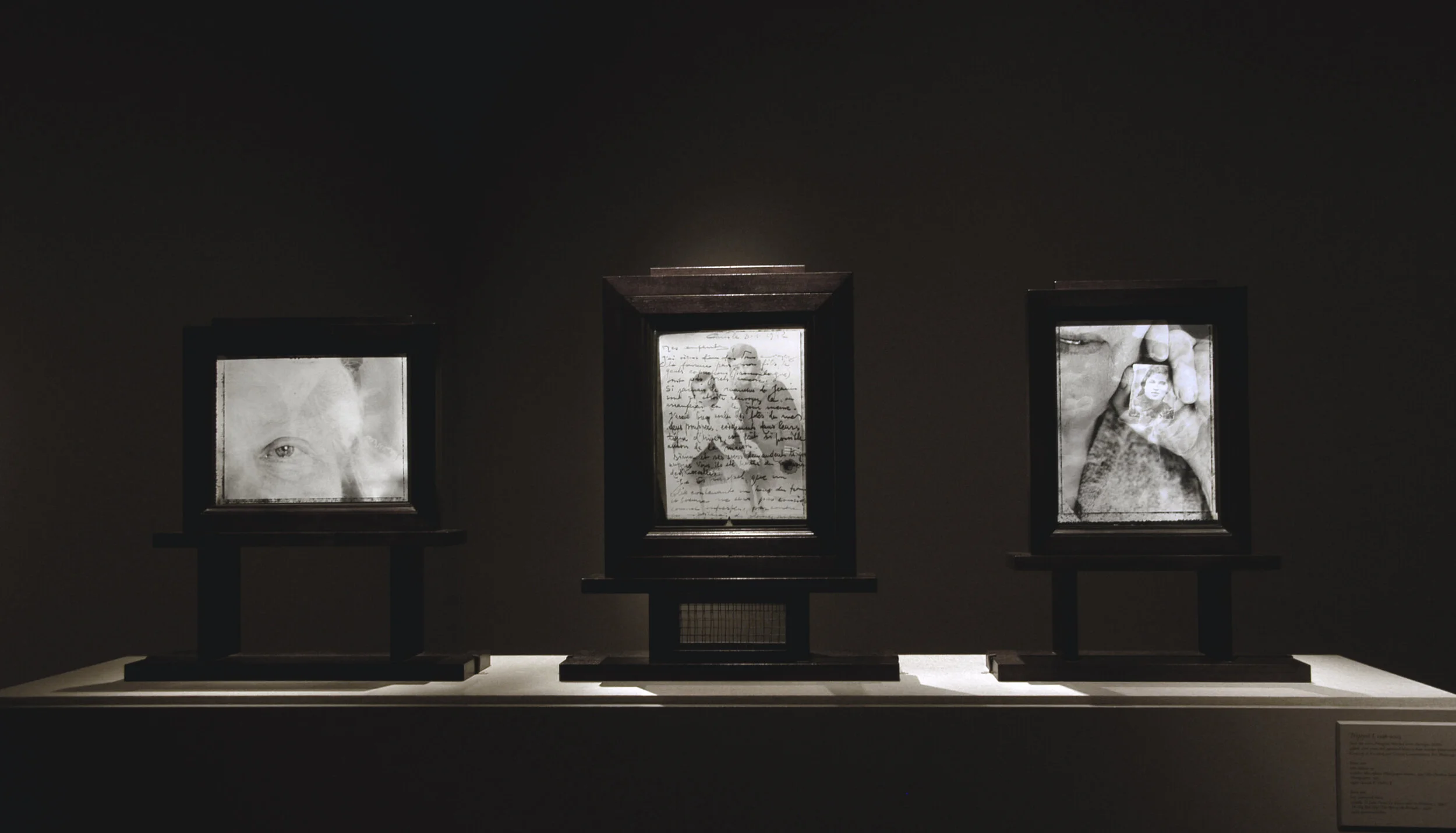
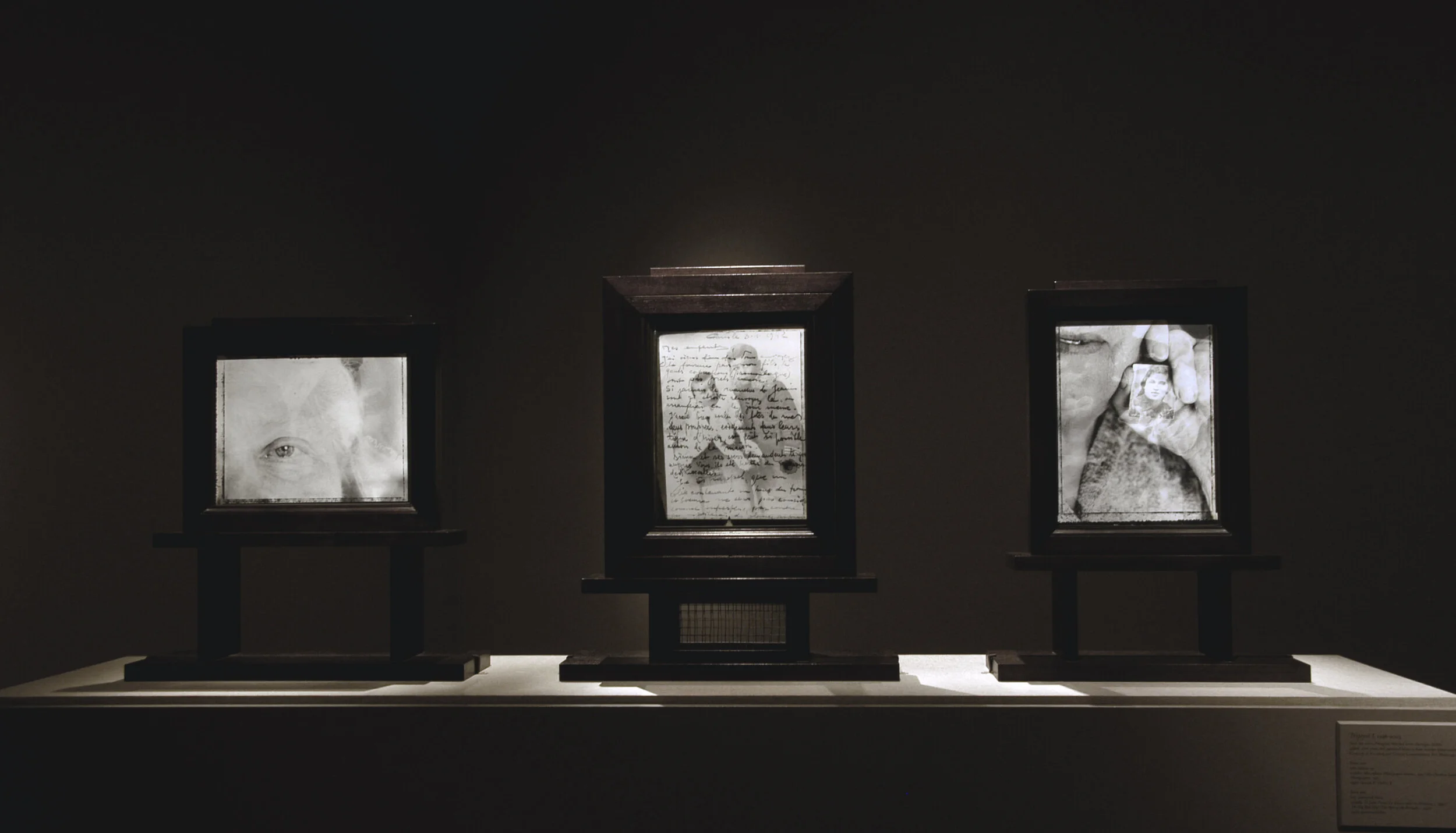
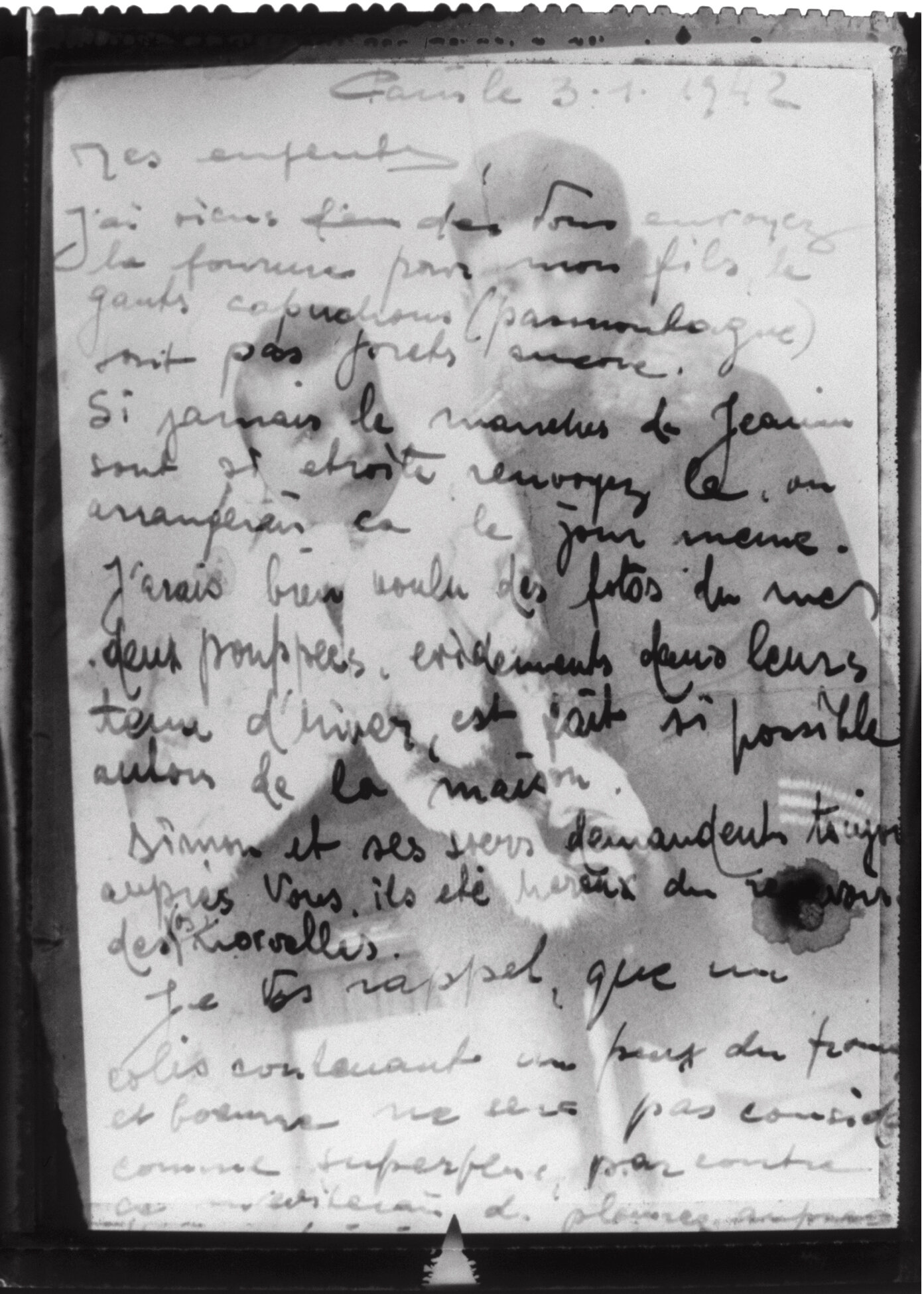
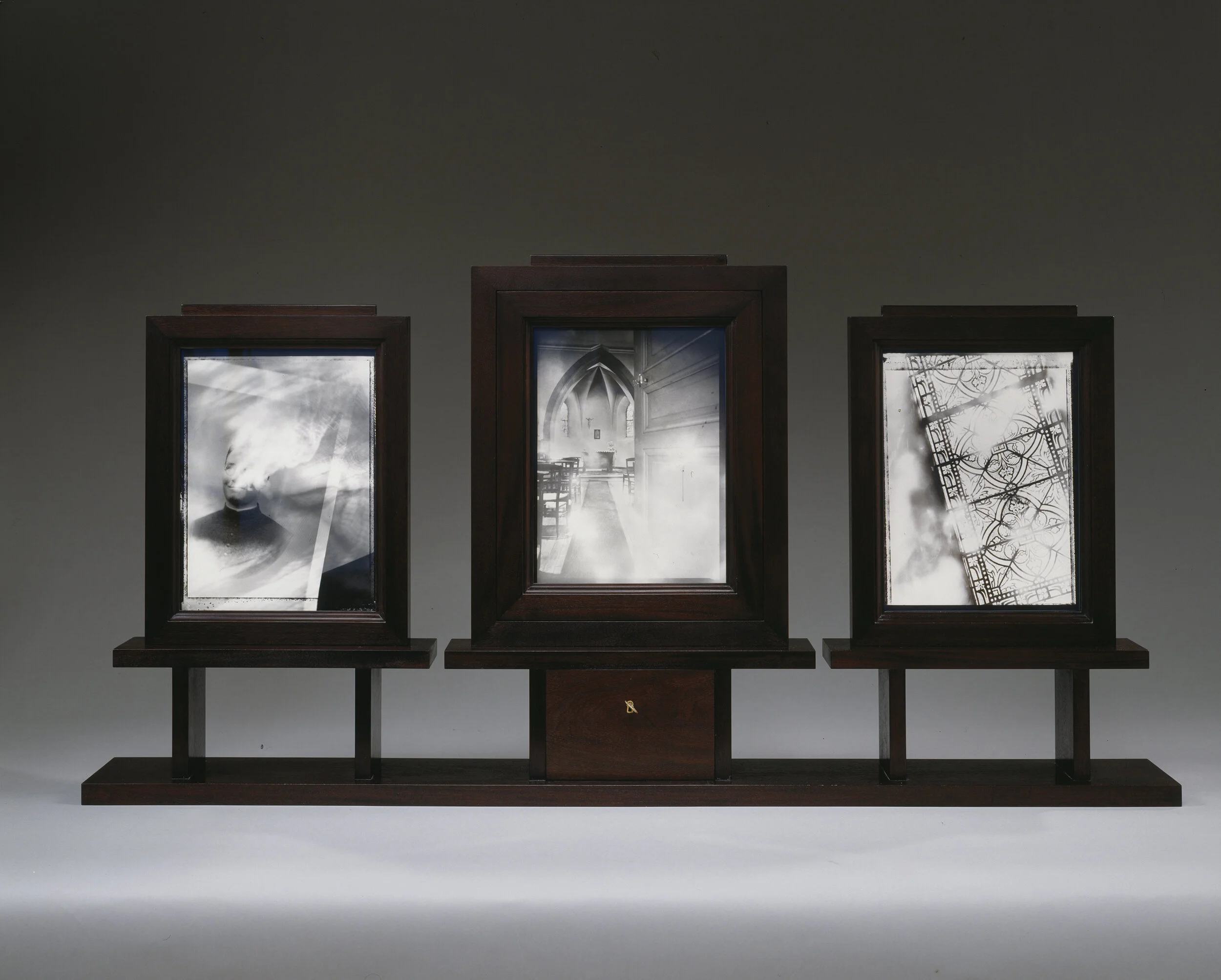
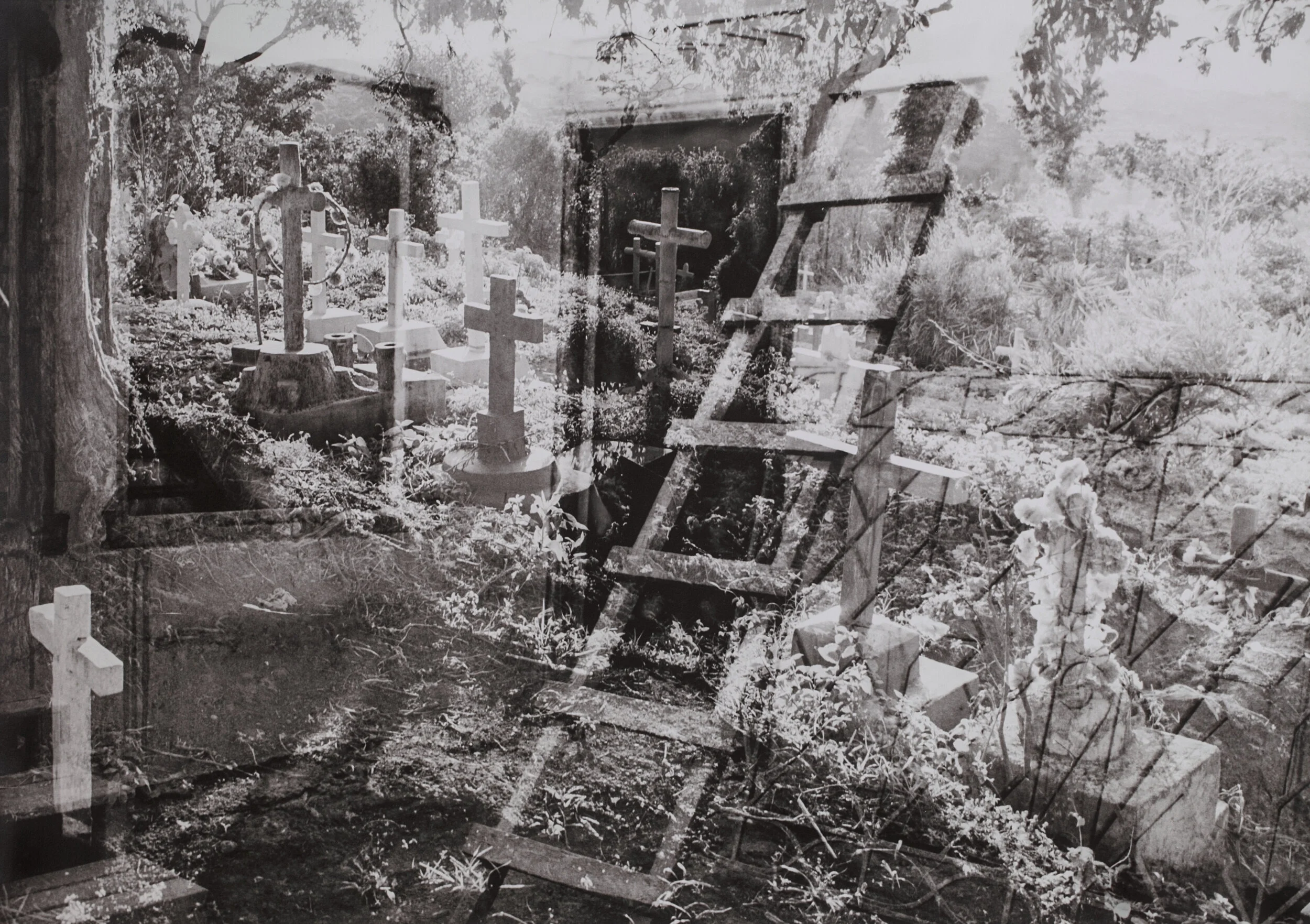
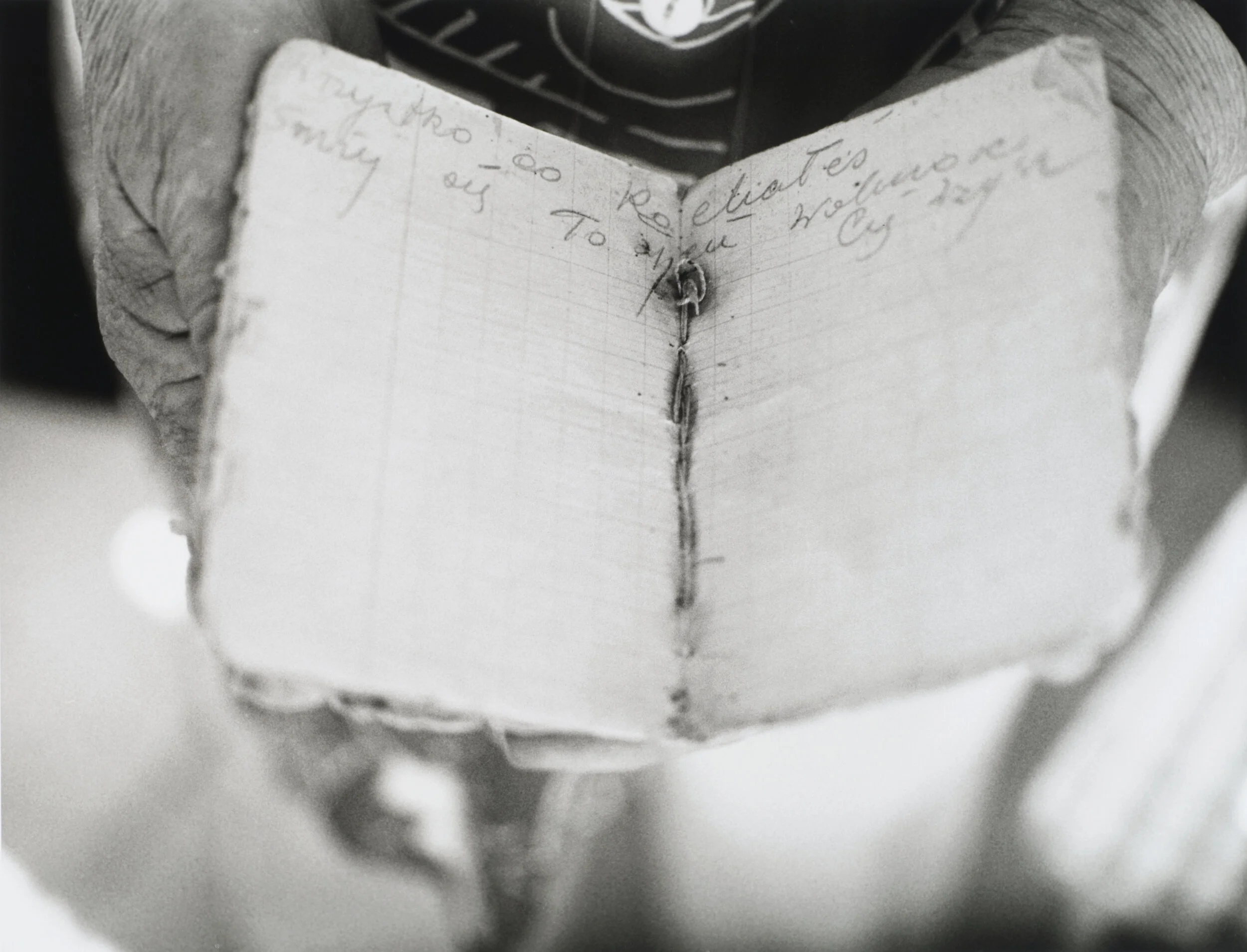
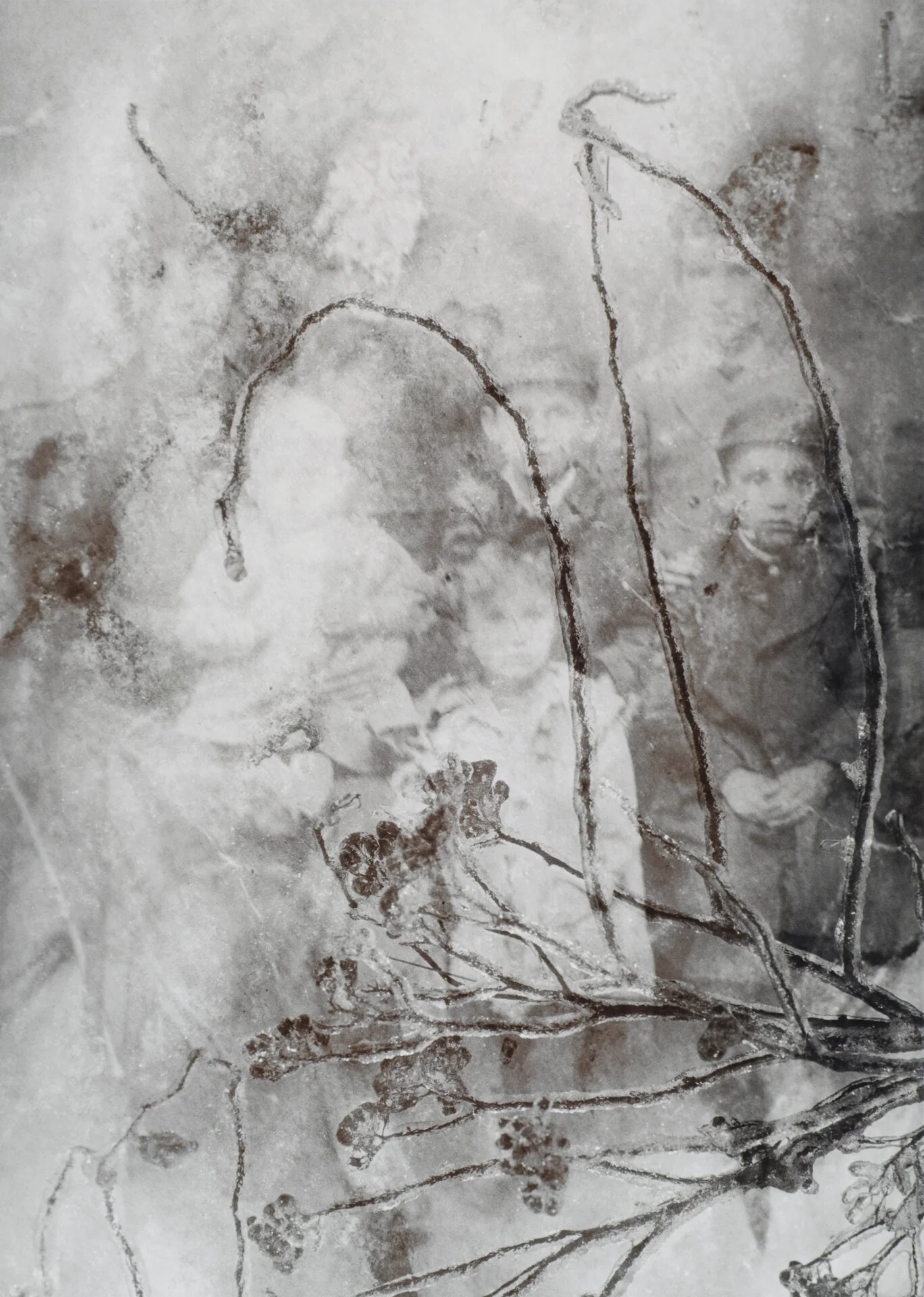
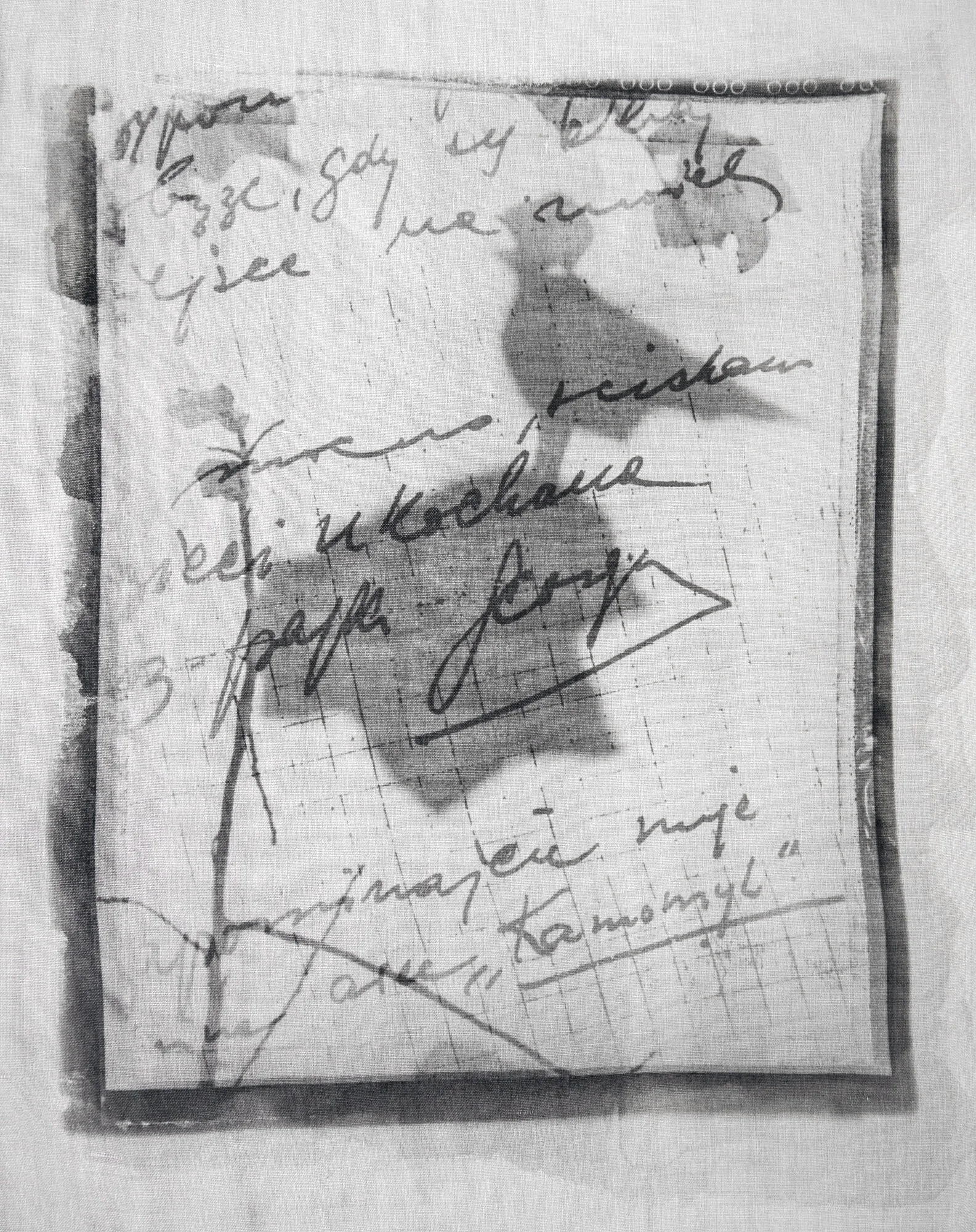
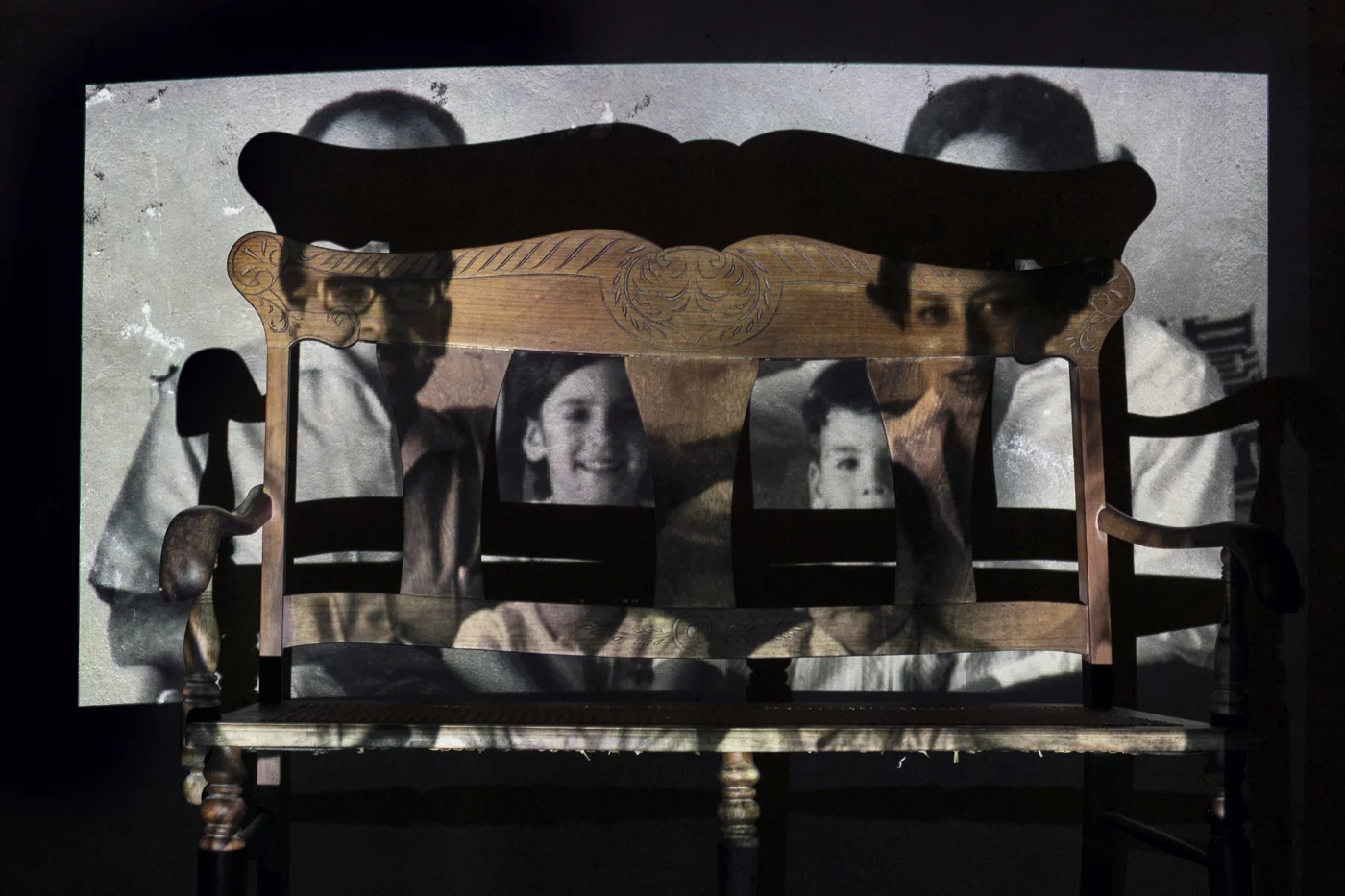
Her Arab, Jewish and Latino origins were transformed into Santos y sombras / Saints and Shadows (1990–97), a series in which Hasbun superimposed negatives of archival family documents and new images to discover her origins, and learn about her family and their exiles, as well as the different common histories of migration and genocide.
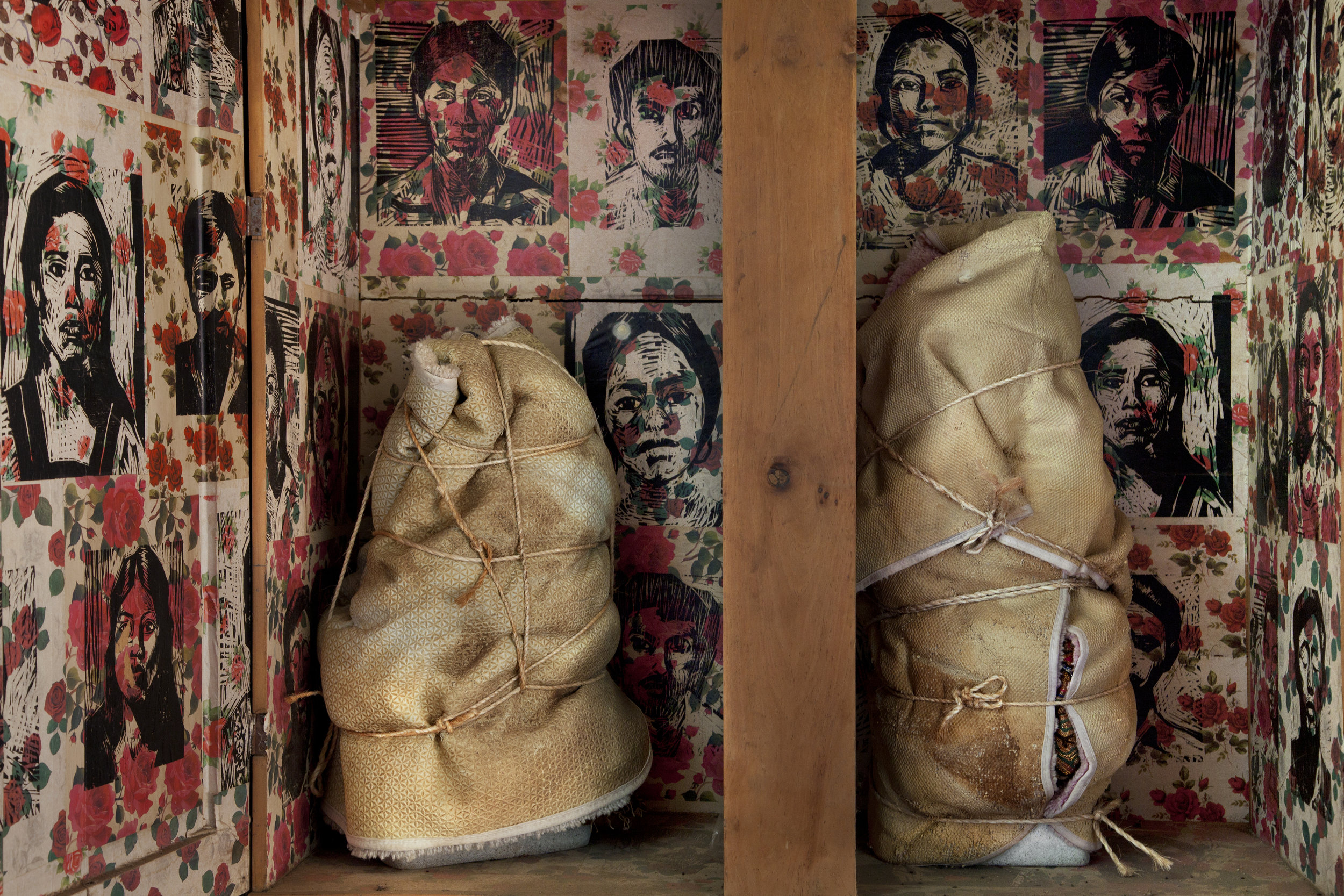
In Protegida /Watched Over and Auvergne-Toi et Moi, a search is observed to make visible a family that, given the persecution of the Jews and the prejudice towards the Arabs, was forced to become invisible.
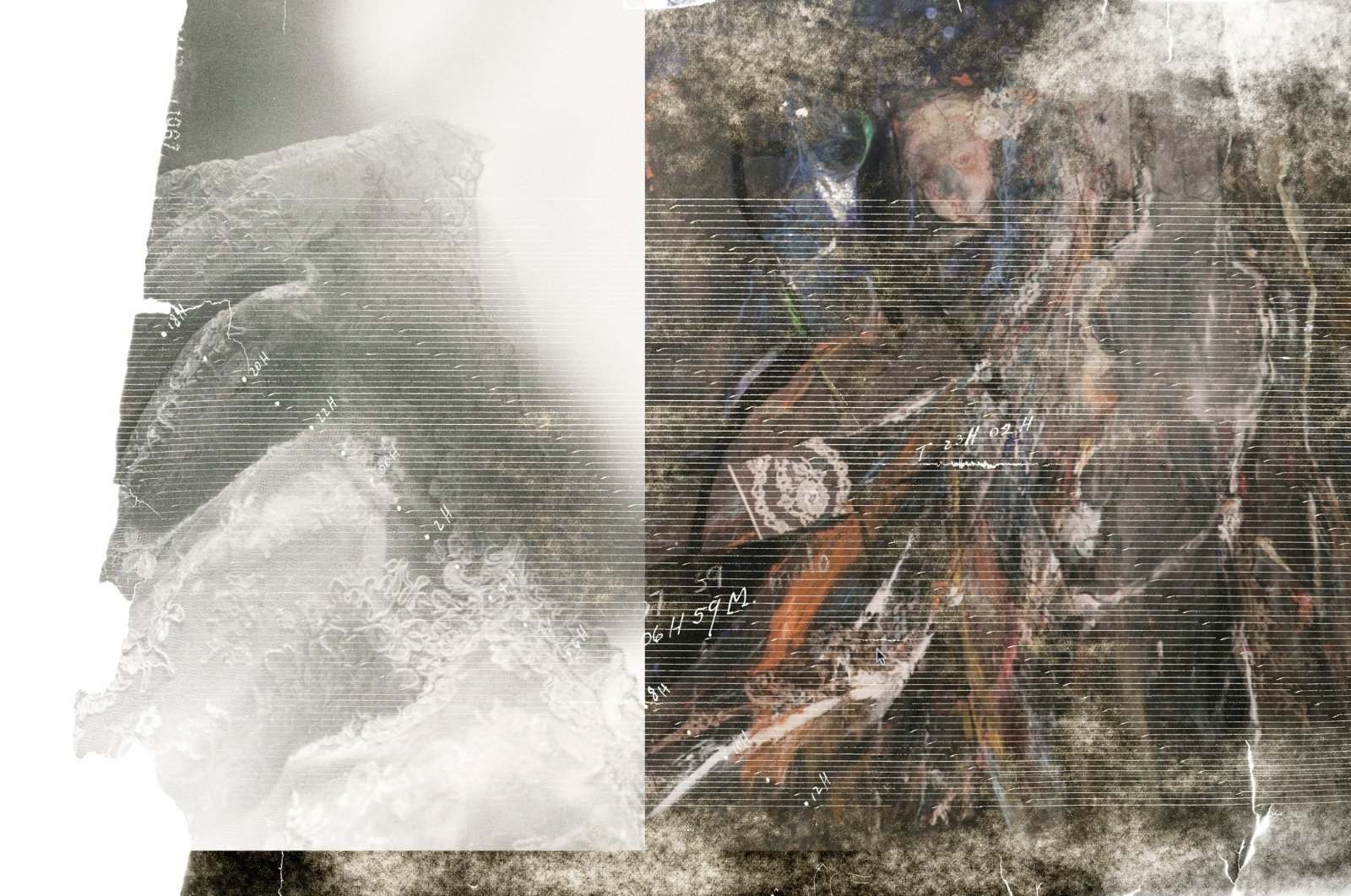
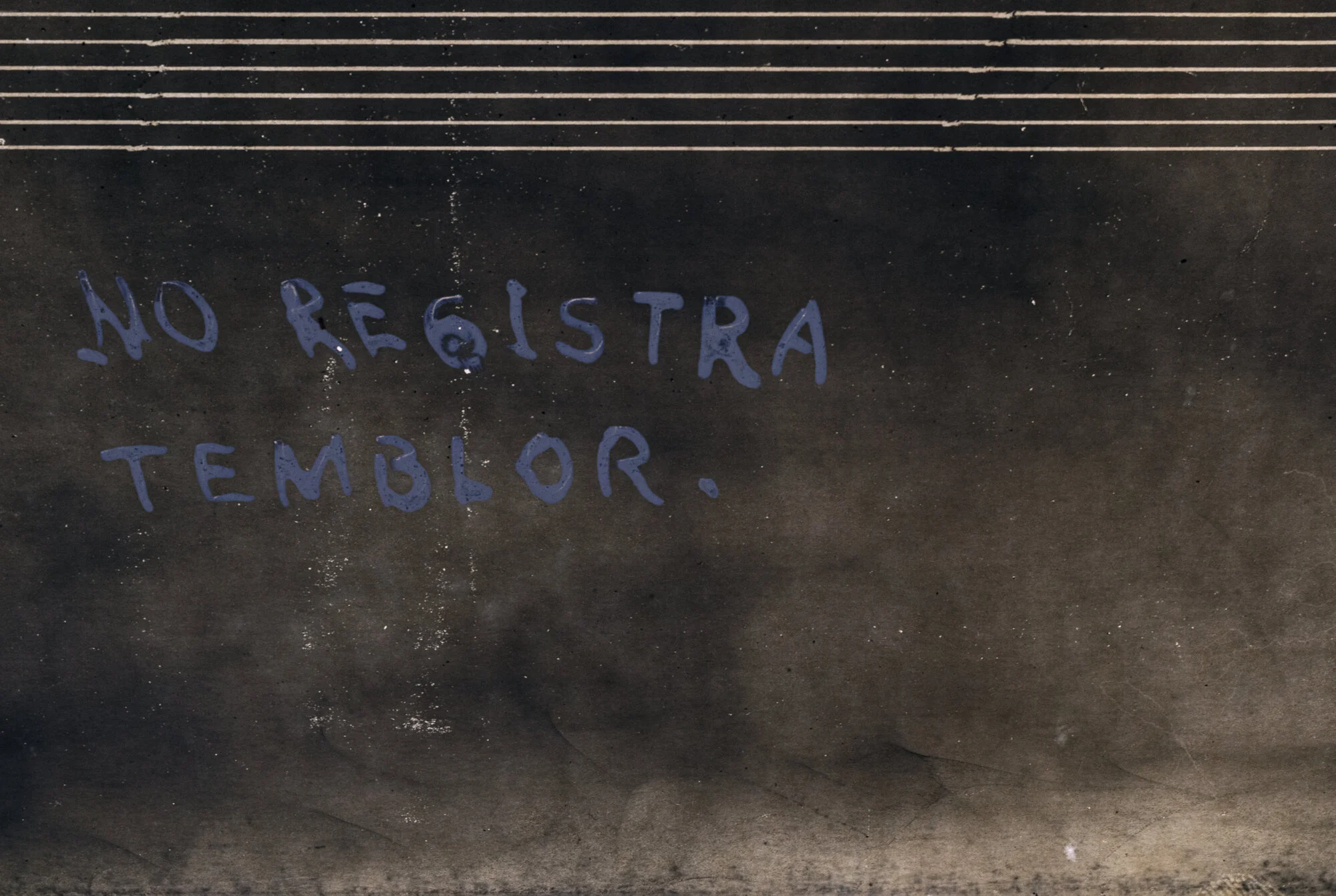
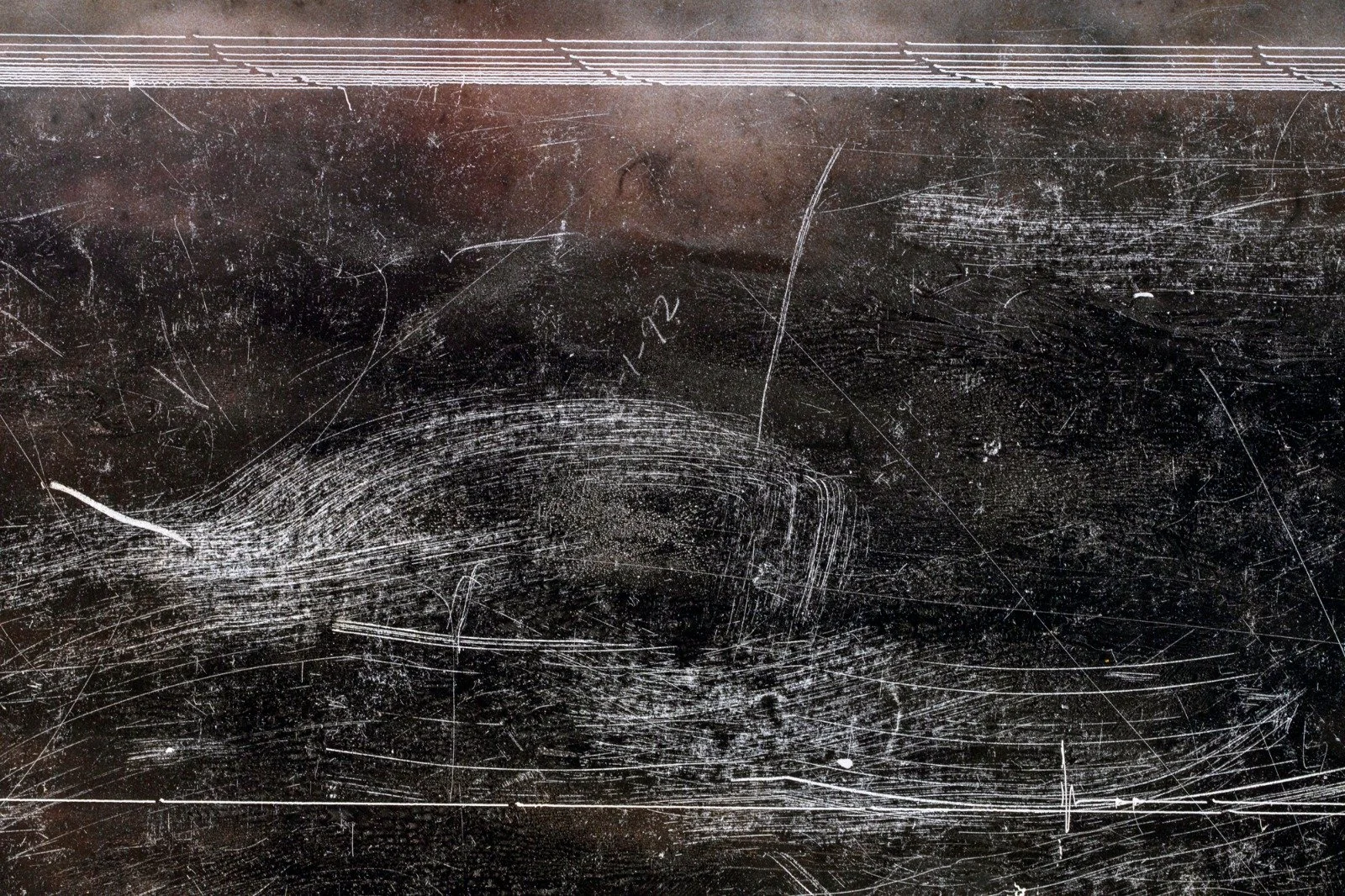
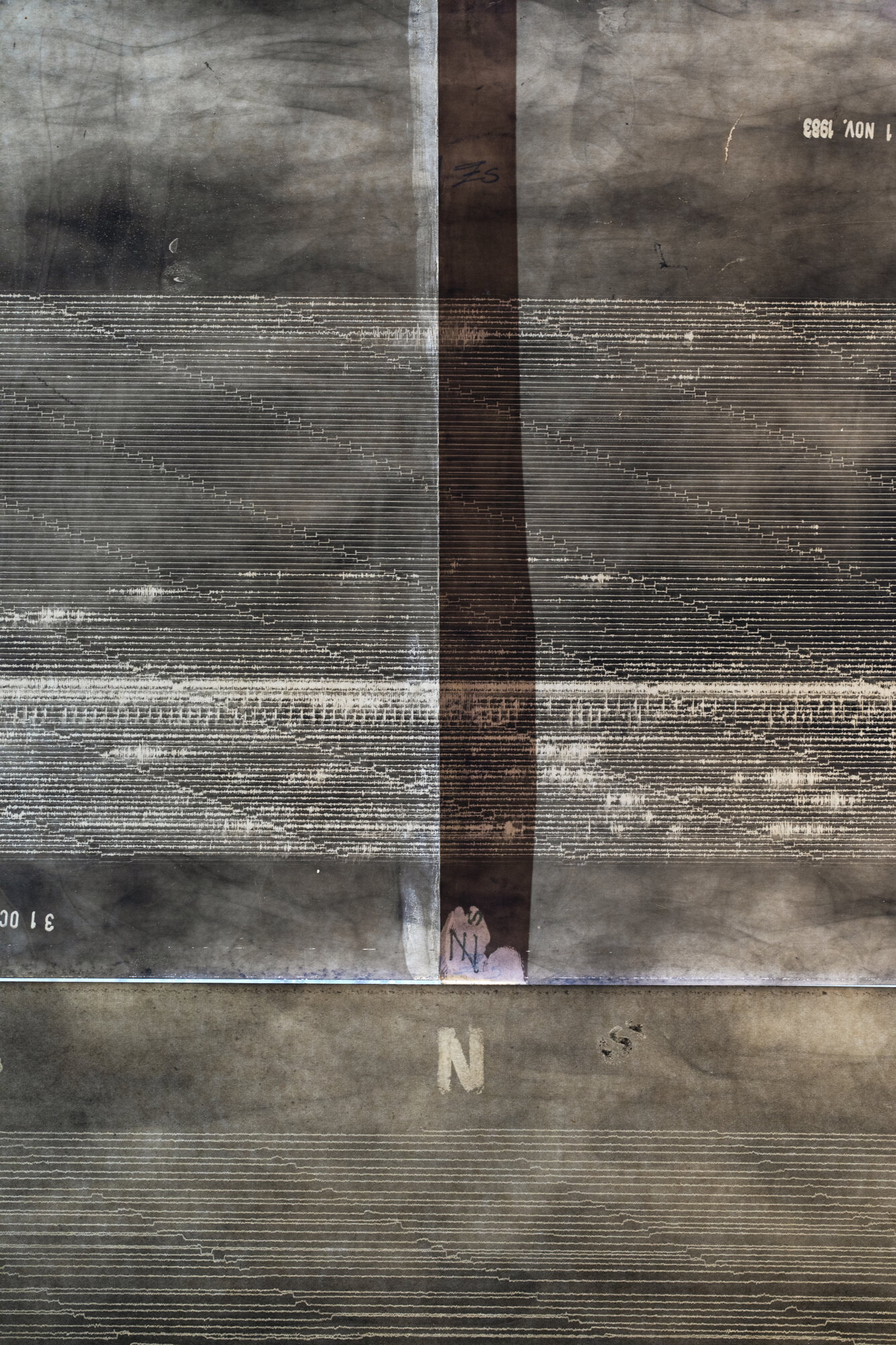
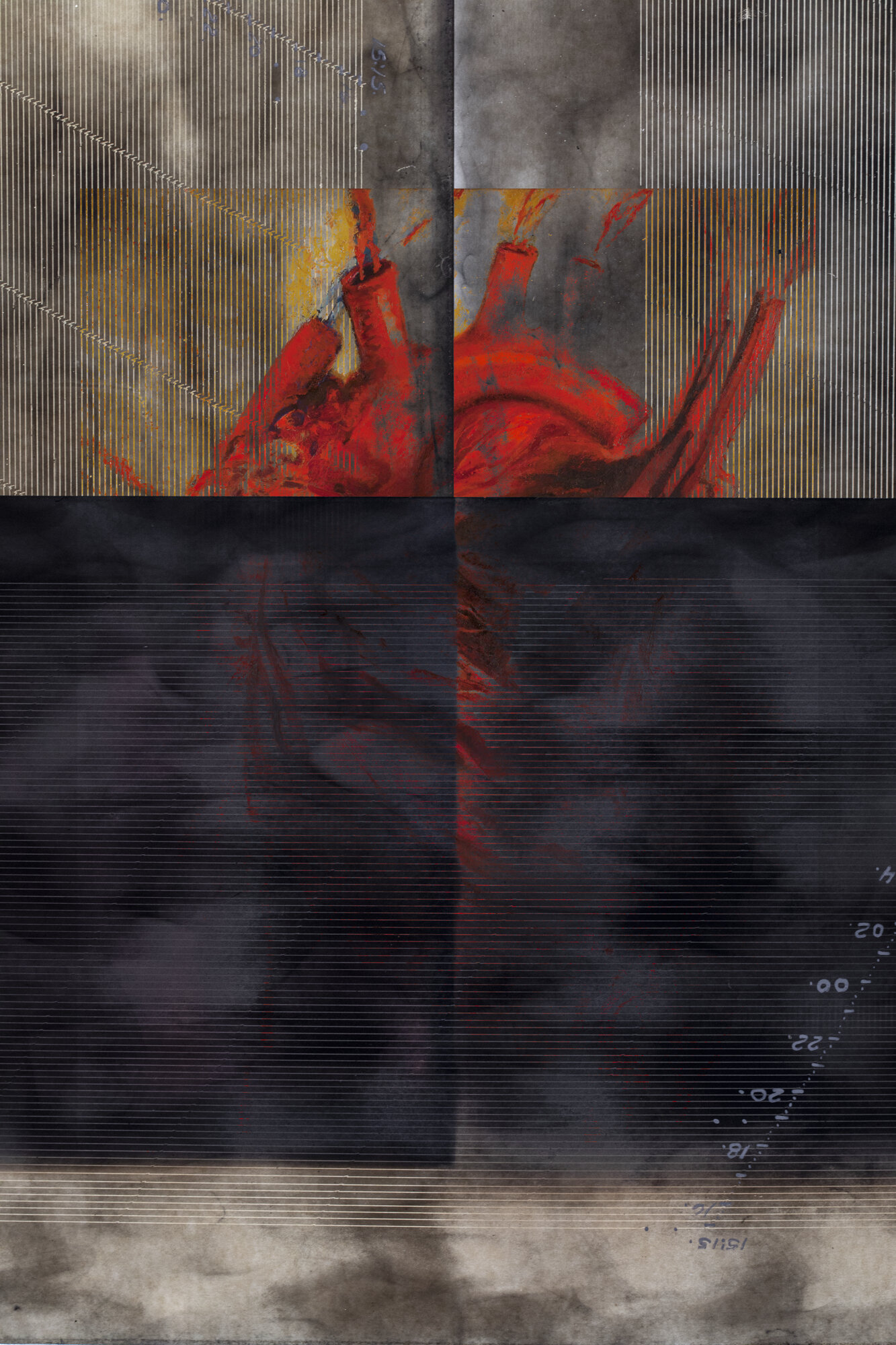
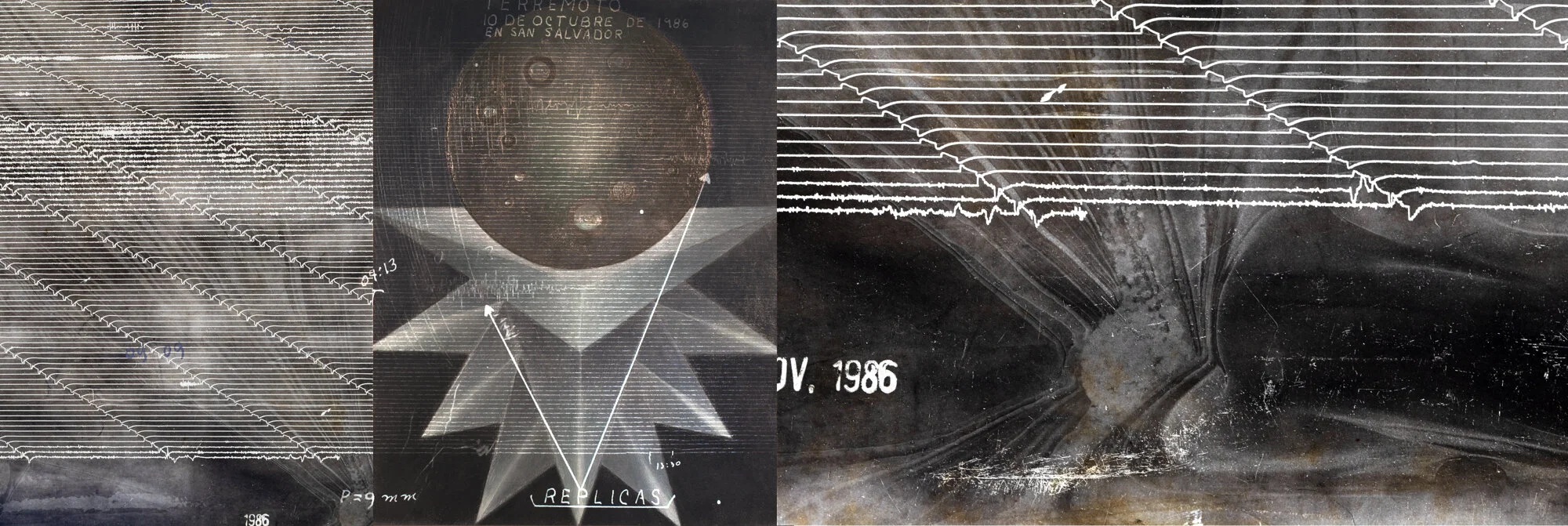
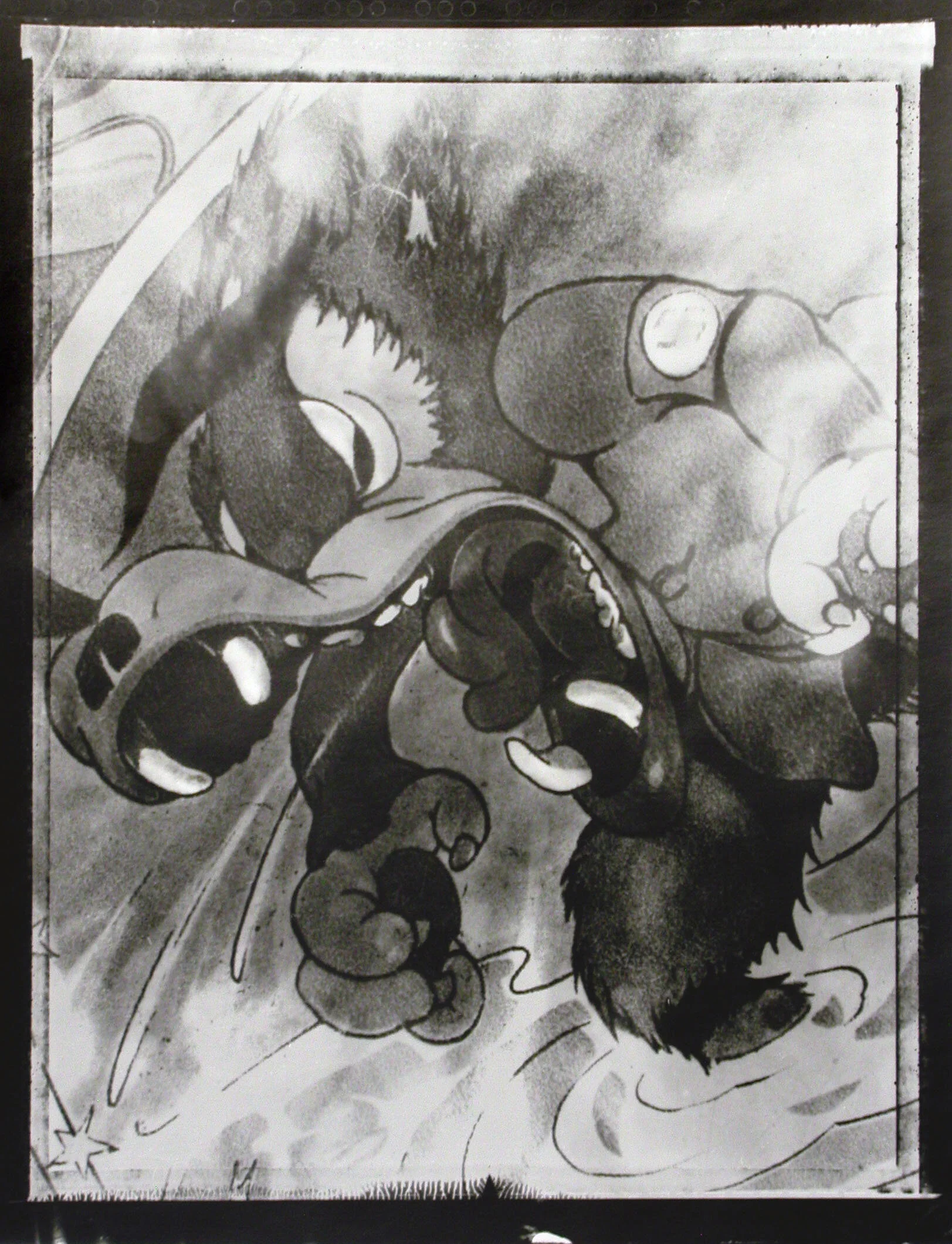
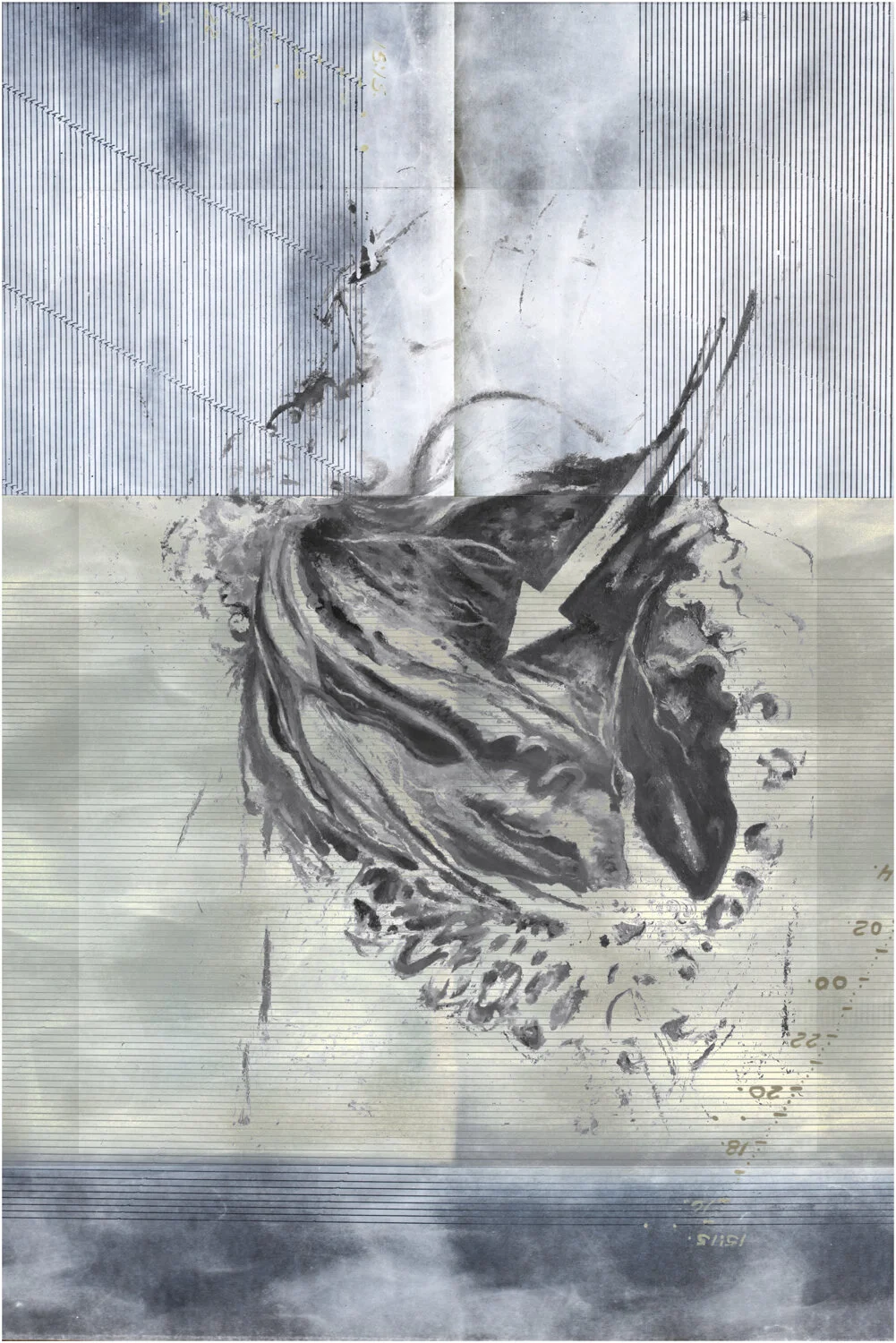
Lastly, a selection from her most recent series, Pulse: New Cultural Registers / Pulso: Nuevos registros culturales (2020–ongoing), overlays the history of art in El Salvador combined with seismic records and the undeniable presence of her mother in the Central American artistic sphere as in her personal history.
The exploration of territory and the actualization of life and citizenship constitute for Hasbun an investigation without barriers in a continued process of becoming, and today, we celebrate her successful career. Her photography imagines a future by showing us the past and what is no longer physically present, creating a link with an event that is now recorded forever, in spite of it often being silenced in history.
Hasbun's story and that of many is alive through her photography. Her work is present and will forever be a celebration of identity, an ode to human diversity, and a call for inclusion and understanding.
Thank you Muriel for this celebration of a life in freedom!
Gabriela Rosso
BIO.
Muriel Hasbun (El Salvador, 1961)
Muriel Hasbun’s awards and distinctions include: a 2024 Trellis Art Fund Stepping Stone Grant and a Brandywine Workshop and Archive Artist Residency, the 2021-22 Estelle Lebowitz Endowed Visiting Artist at Rutgers University, a FY21 AHCMC Artist & Scholar Grant, 2020 Sondheim and 2019 Trawick Prize Finalist, a 2019 Archive Transformed CU Boulder Artist/Scholar Collaborative Residency, Maryland State Arts Council Individual Artist Awards in Media (2019 and 2008) and in Photography (2015, 2012), CENTER Santa Fe 2018 Producer’s Choice and 2017 Curator’s Choice awards, a FY17 Arts & Humanities Council of Montgomery County Artist Project Grant, a 2014 Smithsonian Artist Research Fellowship, the Howard Chapnick Grant of the W. Eugene Smith Memorial Fund for laberinto projects (2014); a Museums Connect grant of the U.S. Department of State and the American Association of Museums (2011-2012); Artist in Residences at the Centro Cultural de España in San Salvador (2016), and the Escuela de Bellas Artes in San Miguel de Allende, Mexico (2010); the Corcoran’s Outstanding Creative Research Faculty Award (2007) and a Fulbright Scholar Grant (2006-2008).
Hasbun’s photo-based work has been internationally exhibited. Venues include: Smithsonian American Art Museum, Salisbury University Art Galleries, Lehigh University Art Galleries, Zona Maco, and Galerie Lucida (2024); ICP-International Center of Photography, DePaul Art Museum, and RoFA Projects (2021, 2022, 2023, 2024, 2025); Whitney Museum of American Art (2023, 2022); Houston Center for Photography, SWAB Barcelona, University of New Mexico Art Museum, Centro Cultural de España in San Salvador, Tufts University Galleries and University of Notre Dame (2022); Rutgers University, Filter Photo Festival, and RoFa Projects (2021); George Mason University, Brentwood Arts Exchange (2019), Turchin Center for Visual Arts, the Athenaeum (2018); Betty Mae Kramer Gallery, MICA Meyerhoff Galleries (2017); PINTA Miami and Civilian Art Projects (2016); American University Museum (2016, 2008); Centro Cultural de España in San Salvador (2016, 2015, 2006); Smithsonian American Art Museum (2013, 2011); the Maier Museum of Art (2012); Light Work, Mexican Cultural Institute (2011); the MAC-Dallas and Michael Mazzeo Gallery (2010); NYU’s Hemispheric Institute at the Centro Cultural Recoleta in Buenos Aires (2007); Museum of Photographic Arts in San Diego (2007); Houston’s FotoFest (2006), Corcoran Gallery of Art (2004); 50th Venice Biennale (2003); Centro de la Imagen, Mexico City (1999); Musée de l’Arles Antique at the 29ème Rencontres Internationales de la Photographie d’Arles (1998).
Her photographs are in numerous private and public collections, including the National Gallery of Art, The Whitney Museum of American Art, ICP-International Center of Photography, Art Museum of the Americas, D.C. Art Bank, El Museo del Barrio, En Foco, Lehigh University, Smithsonian American Art Museum, International Development Bank, Turchin Center for the Arts, University of Texas-Austin, and the Bibliothèque Nationale de France.
Building upon her career as a socially engaged artist and a photography professor, Hasbun is currently the founder and director of laberinto projects, a transnational, cultural memory and education initiative fostering contemporary art practices, social inclusion, and dialogue in El Salvador and its U.S. diaspora. EDUCA, a visual literacy, professional development program of laberinto projects, nurtures a more equitable and culturally responsive curriculum in U.S. classrooms through the art of Central America. She is professor emerita at the GWU Corcoran School of Arts & Design, and previously, professor and chair of photography at the Corcoran College of Art + Design.
Hasbun received a MFA in Photography (1989) from George Washington University, where she studied with Ray K. Metzker (1987-88), and earned an AB in French Literature (1983), cum laude, from Georgetown University.