
The Armory Show
New York City, USA - Sept. 24-27, 2026
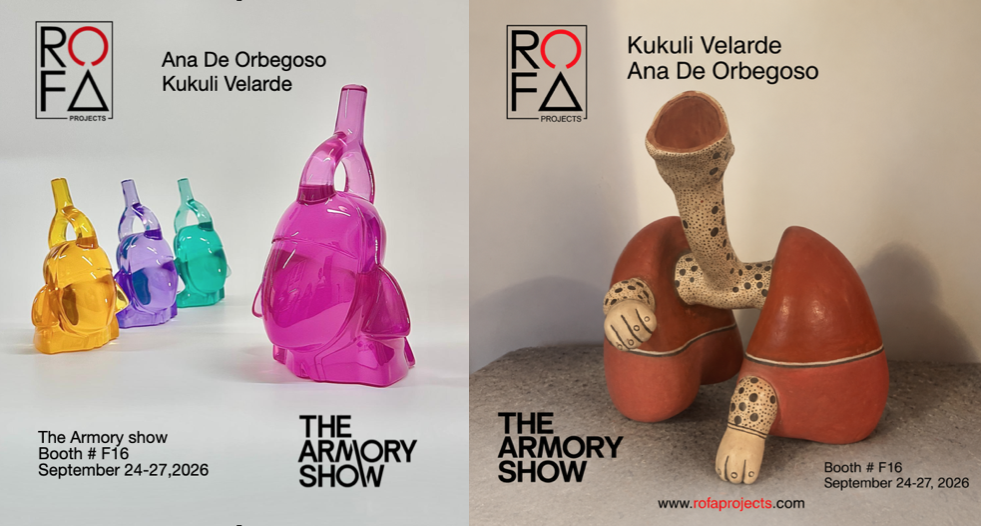
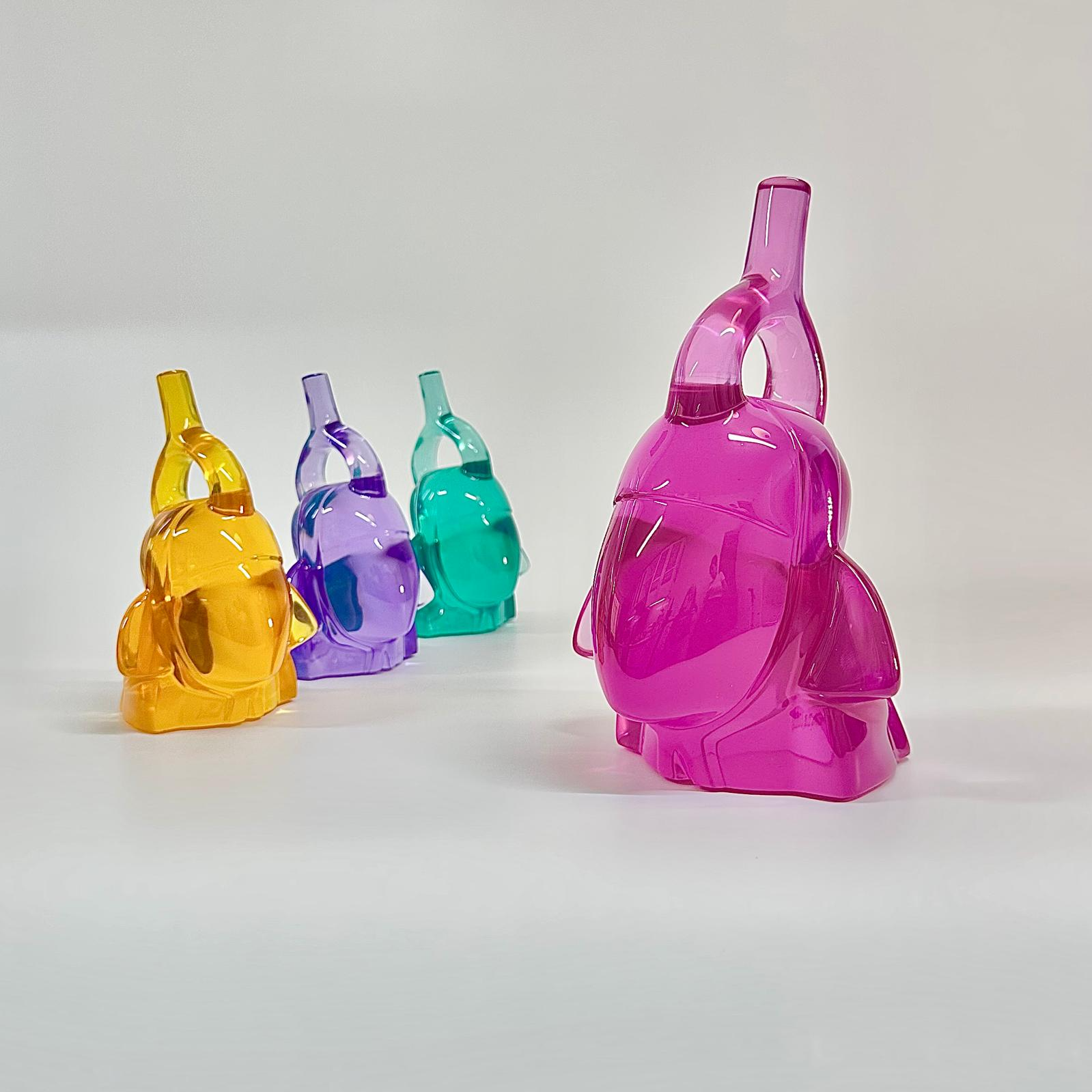
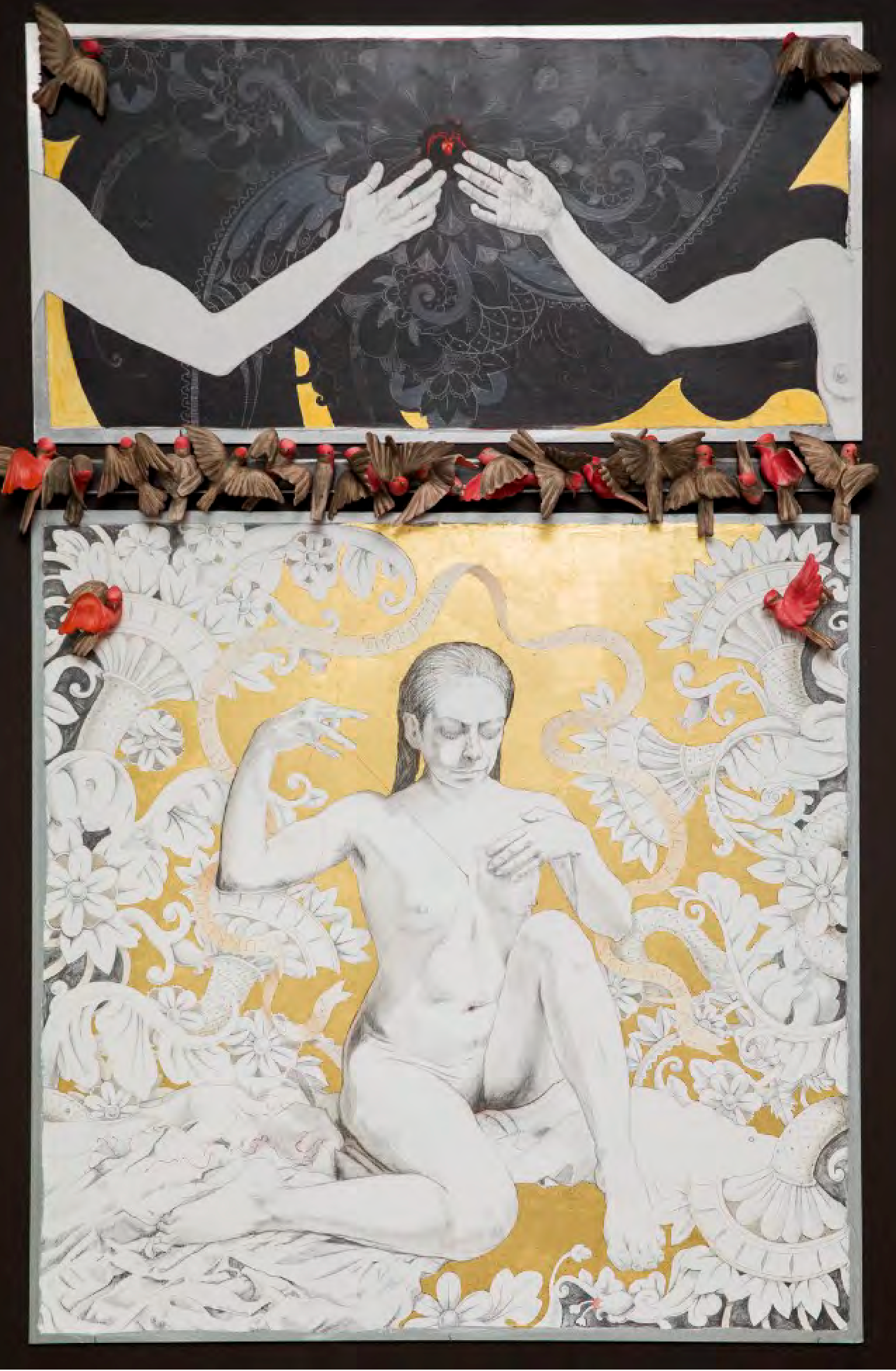
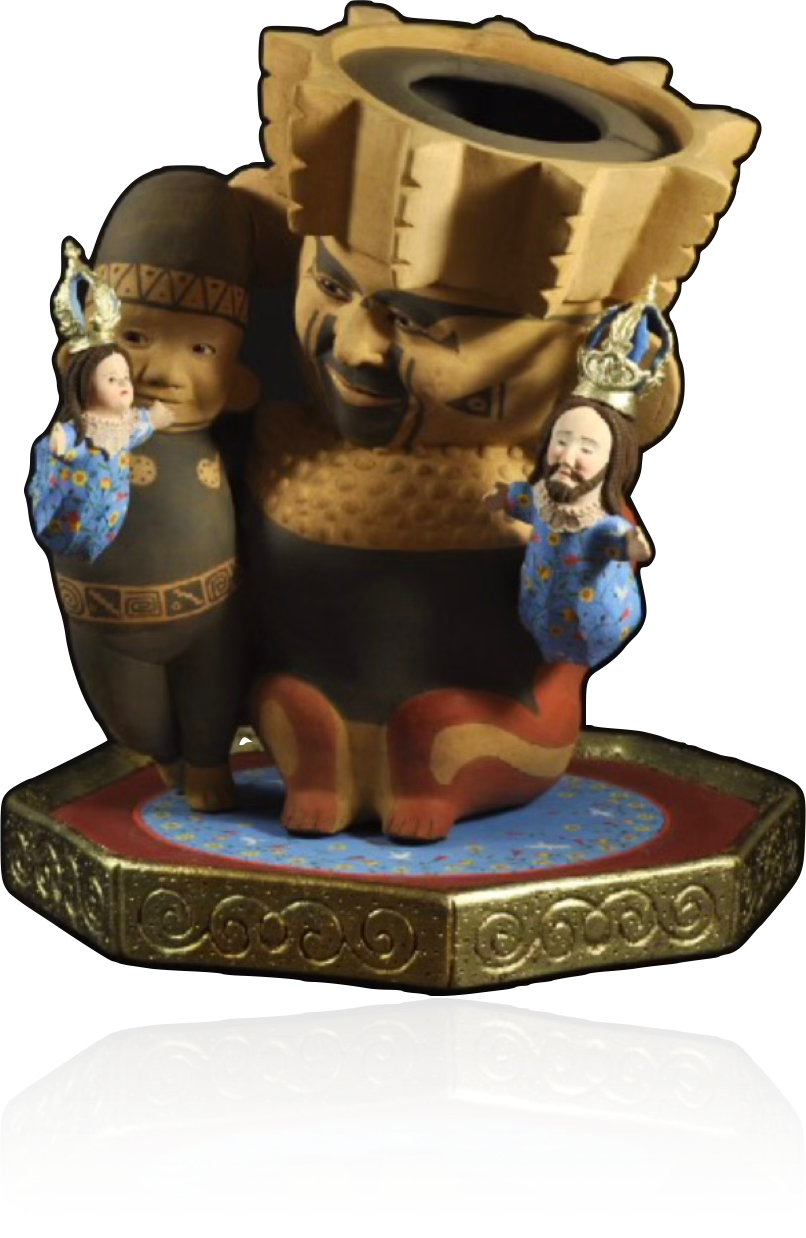
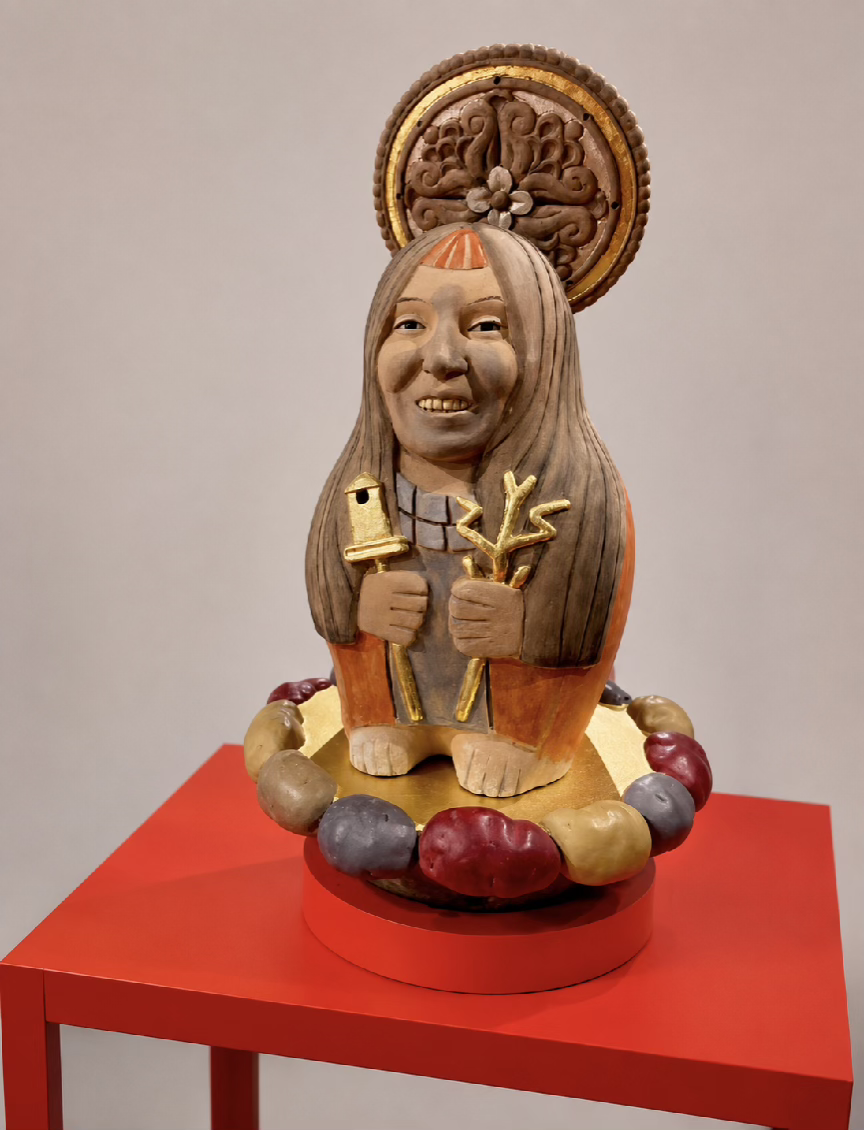
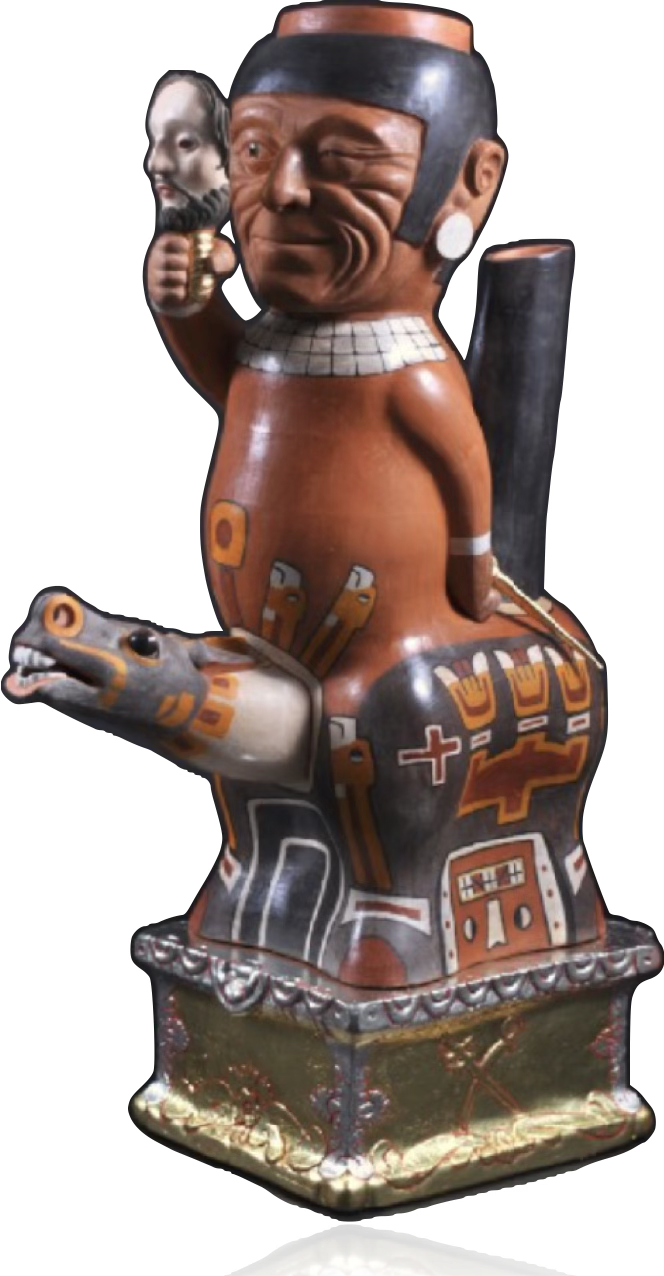
Memory and Its Bodies of Resistance reflects on the ways in which history remains alive even when it has been displaced, silenced, or seemingly erased. Drawing on Peru’s complex cultural history, the exhibition proposes that the cultures that existed before the European invasion did not disappear, but survived by transforming and becoming incorporated into the new colonial order. Syncretism thus emerges not only as a consequence of domination, but also as a strategy of resistance and cultural survival.
It is within this tension between imposition, transformation, survival, and memory that the practices of Kukuli Velarde and Ana De Orbegoso converge. Both artists recover images and bodies that history turned into objects and return them to the present as subjects capable of reclaiming identity, presence, and voice.
Kukuli Velarde recovers pre-Hispanic identities that survived beneath the structures imposed by colonization. Her sculptures connected to the Corpus Christi celebration in Cusco propose a symbolic reversal in which ancestral bodies and identities emerge once again. In The Organs of the Illapas, this restitution becomes more intimate: by reconstructing the organs of her ancestors, Velarde metaphorically returns their breath and allows them to breathe once again in the present. Ceramics thus becomes an act of memory, belonging, and continuity.
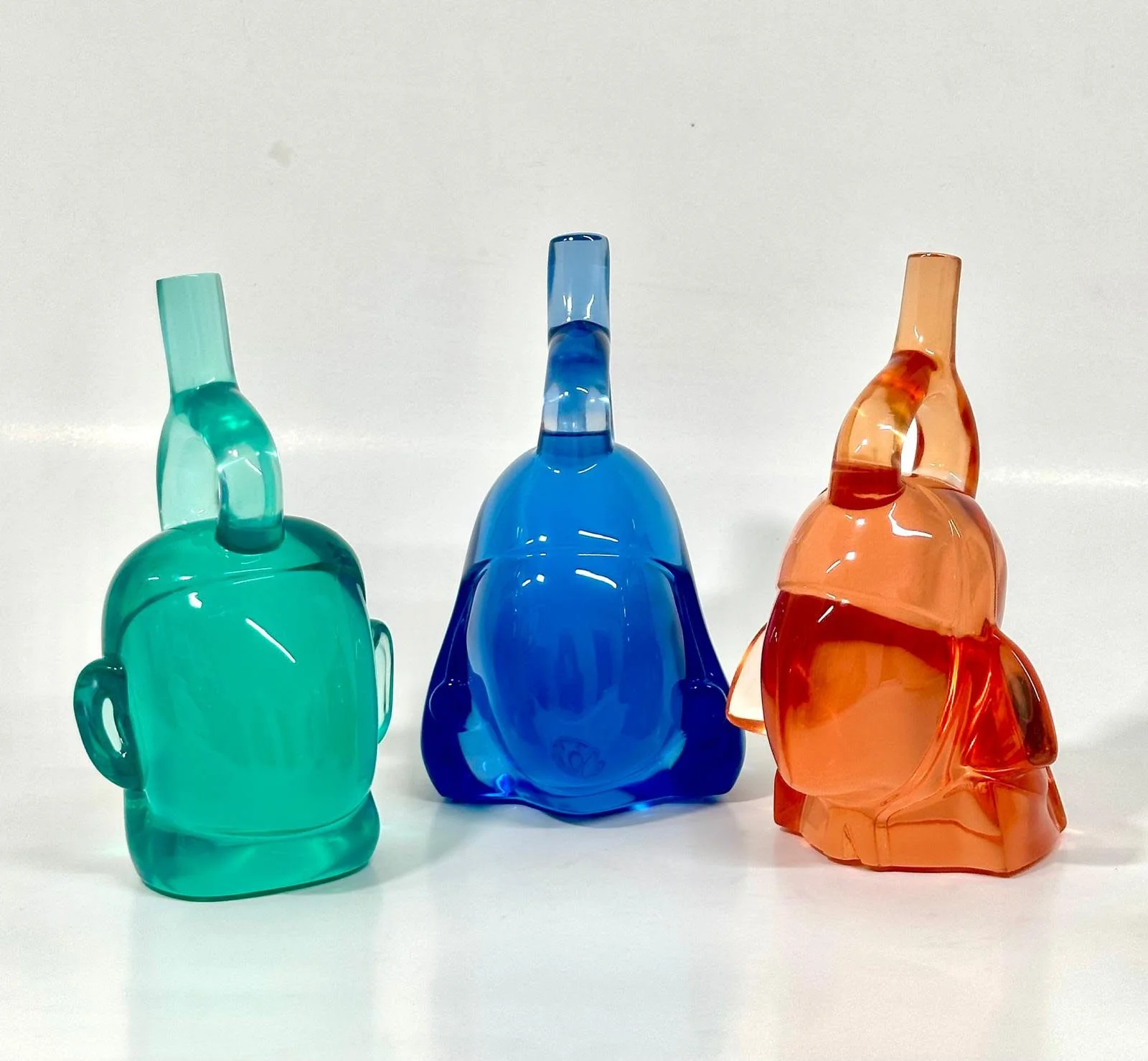
Ana De Orbegoso approaches history through the resignification of its images and objects. In the Neo Huacos, she transforms the Moche portrait vessel and brings it into a contemporary language, posing an essential question: what do we do with our history today, and how do we choose to relate to it?
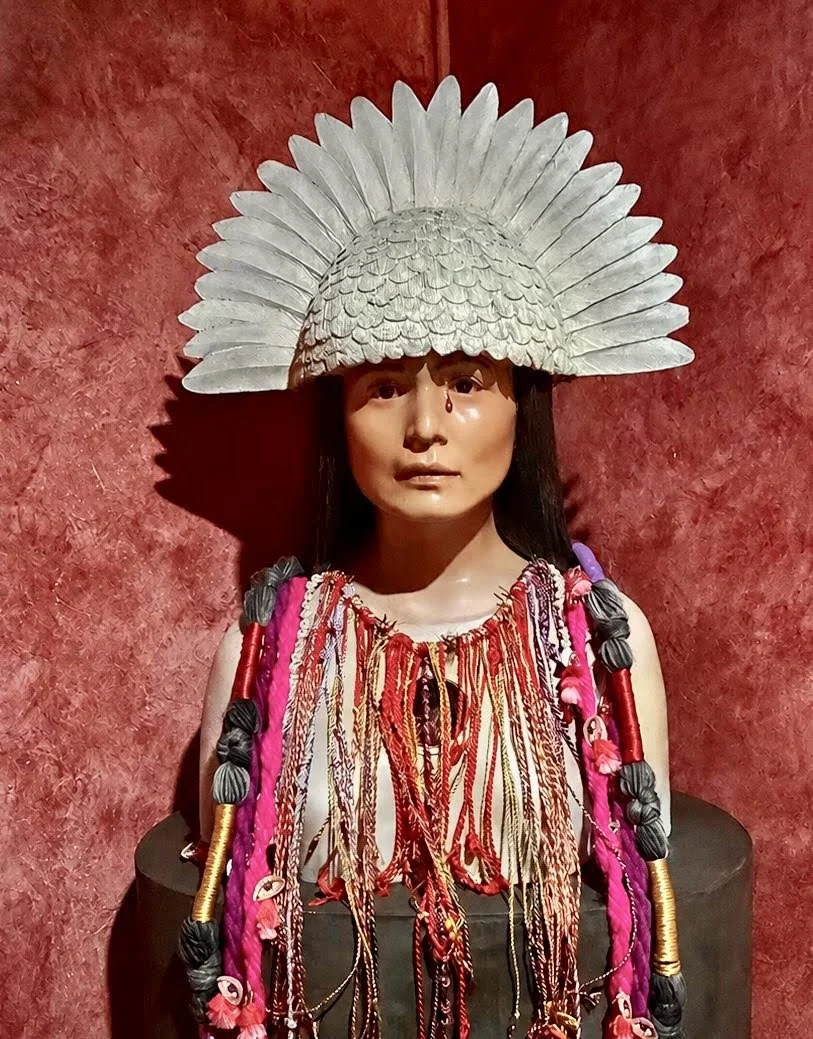
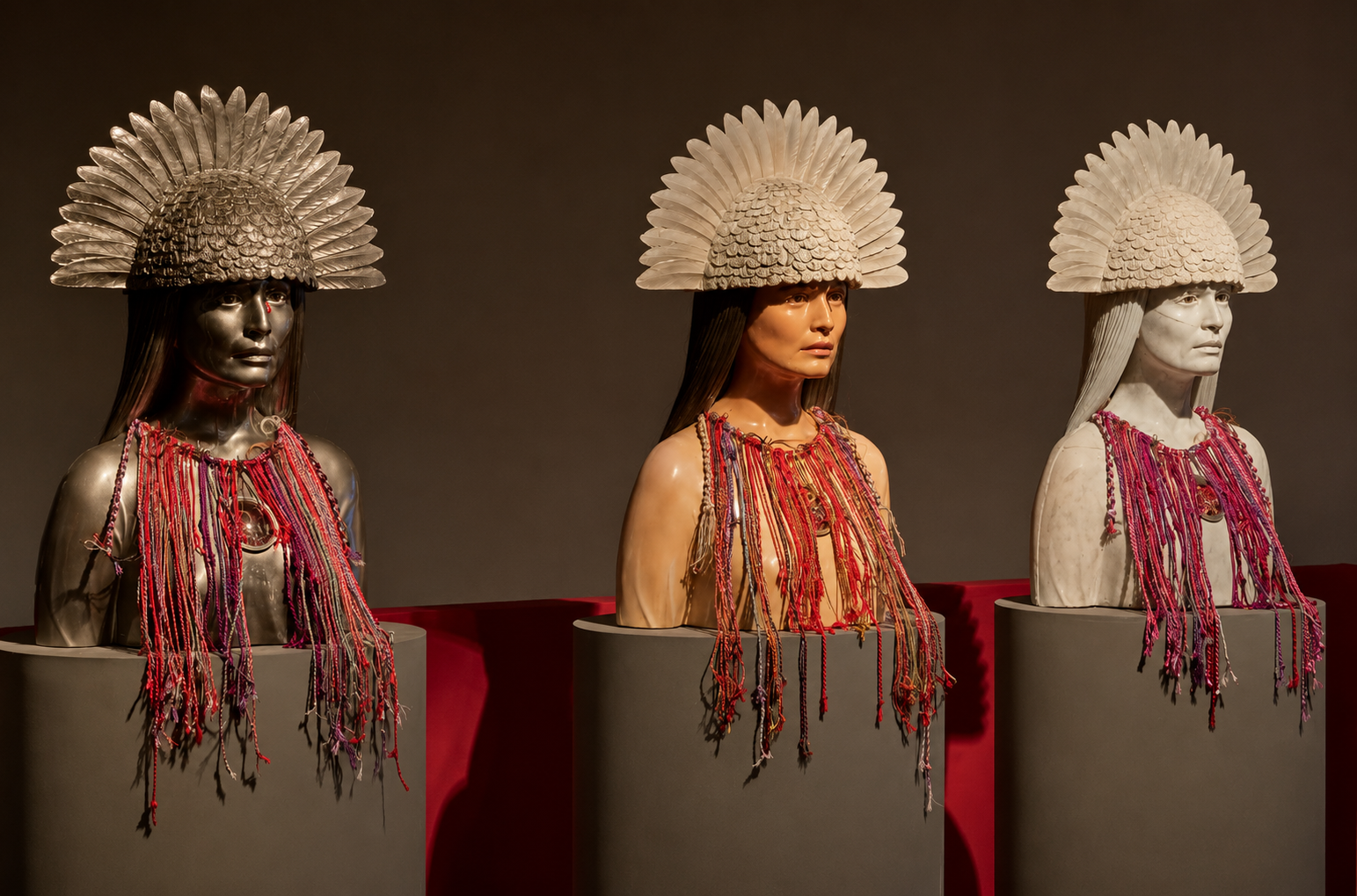
In The Last Inca Princess, the artist addresses a history shaped by gender, violence, power, and mestizaje. The princess ceases to be a passive figure within the colonial narrative and becomes body, memory, and testimony. The quipu across her chest symbolically preserves the memory of women who have been victims of violence, transforming the reliquary into a space of strength and female resistance.
Kukuli Velarde and Ana De Orbegoso thus converge in a fundamental gesture: restoring the condition of subjects to what history had turned into objects. In their work, the body becomes a territory of memory, making visible in the present what history was unable to erase.
Gabriela Rosso rosso_gabriela@yahoo.ca